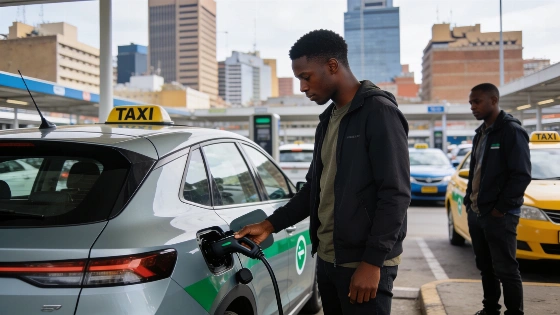
Vodacom South Africa and SmartOps Fleet have set their sights on a sweeping overhaul of the country’s e-hailing sector. The partners want to put as many as 55,000 vehicles on the road within a year, aiming for two-thirds of them to run on electric power. The launch, timed for Transport Month, comes with a promise of up to 110,000 new driver positions. That’s a direct shot at South Africa’s twin headaches: job scarcity and the need for cleaner transport.
In September 2025, South African transport regulations formally recognized e-hailing services as a legal form of public transport and introduced requirements for both online and physical panic buttons, as well as real-time vehicle tracking.
Vodacom supplies the digital backbone and fintech rails that keep the system running. Fidelity Services Group covers tracking and dash cams. The Thiba Ingozi Safety App and physical panic buttons are meant to boost safety for both drivers and riders. Motus, Tiger Wheel & Tyre, Tyres & More, and automakers like Renault and Dongfeng round out the supply chain, prepping vehicles for Uber and Bolt’s platforms.
Investors get a hands-off deal after the first payment. SmartOps Fleet takes care of the rest, from daily management to monthly instalments. Investors keep ownership and can pocket up to 40% commission each month. They also have the option to trade in vehicles before the finance term ends, depending on usage and condition. The setup is pitched as a way to make vehicle investment less risky and keep a steady flow of cars in the e-hailing pool. The Connecting Africa report confirms SmartOps Fleet’s role: driver management, insurance, payments, maintenance, tracking, and operations. Investors handle the down payment and credit agreement.
Electric vehicles and sector alliances drive the plan
After the legal recognition of e-hailing as public transport under the National Land Transport Amendment Act and the 2025 regulations, Gauteng province launched the GPTRIS digital system to process transport operating licences and standardize compliance checks.
Benjamin Motitswe, Chief Director for Gauteng Provincial Regulatory Entity, has backed the programme. He says it could open up real jobs for young South Africans and help build a more connected transport network. The launch during Transport Month lines up with Gauteng’s push to modernise mobility infrastructure.
Editorial analysis: Tech, finance, and clean transport collide
This isn’t just a numbers game. Vodacom and SmartOps are betting that by cutting red tape and upfront costs, they can push e-hailing growth and make electric cars a regular sight in South African cities. The model’s fate depends on execution and whether investors stay on board. The scale and mix of partners show they’re serious about changing how people work and how cities move. The last word rests with the delivery of those vehicles and the jobs they’re meant to support.