
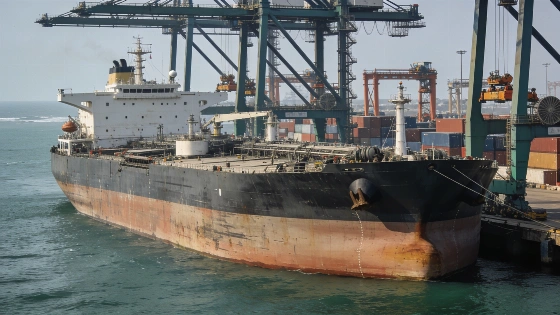
Figures released by the Nigerian Ports Authority in September put cargo linked to the Dangote Refinery at an estimated 20.76 million metric tons moving through Nigeria’s ports in the first half of 2026. The refinery began operating in early 2024 after more than a decade of development. It is the world’s largest single-train refinery, as African Business reported.
The estimate uses the refinery’s 76% share of Lekki Port’s throughput. Lekki handled 27.32 million metric tons, about 40% of the national total, while Nigerian ports processed 68.29 million metric tons from January to June. That national figure was up from 60.84 million metric tons in the same period a year earlier.
Lekki’s cargo mix and port calls
Lekki accounts for a large share. Its portion of national throughput was 40.6% in 2025 and stayed near 40% in the first half of 2026. Activity at the industrial complex is closely tied to the port’s performance.
Lekki is Nigeria’s first deep-sea port and a fully automated facility that handles vessels of up to 18,000 TEUs. Dangote Refinery’s original design capacity was 650,000 barrels per day, and its processing rate reached about 700,000 barrels per day in June 2026. Reuters reported in October that the refinery, built at an estimated cost of about $20 billion, was processing around 700,000 barrels per day and planned to expand to 1.4 million barrels per day by 2029. In May 2025, Dangote Industries said its operations could require about 240 crude oil tankers and 600 refined-product vessels each year.
Lekki’s port calls rose by 48.4% in the first half of 2026. Average vessel turnaround time also increased, from 2.1 days to 3.3 days. The published figures do not break out tanker movements from container traffic, so they cannot establish whether petroleum operations drove the longer turnaround.
Revenue share remains undisclosed
Petroleum cargo generates demand for pilotage and towage, as well as navigation support, marine security and specialised terminal services. The NPA has not disclosed how much revenue it earns from Dangote-related cargo. The 30.4% share of tonnage so does not equate to the same share of port revenue; NPA receipts depend on tariffs, service ownership and concession arrangements.
Other cargo measures also rose. Container traffic increased by 10.3% to about 815,000 TEUs. Outbound shipments grew by 23.5% to about 29.2 million metric tons. Inbound cargo rose by 5.6% to 38.4 million metric tons.
Dangote Industries announced plans in 2025 for a deep-sea port in the Olokola Free Trade Zone in Ogun State. Federal approval to launch the project was announced in January 2026. The publication has also covered the planned refinery development in Lamu in earlier Lamu reporting; that project is separate from the Olokola port proposal. Nigeria’s refining shift has also changed its petroleum trade position: African Business reported that the country had become a net exporter of petroleum products.








