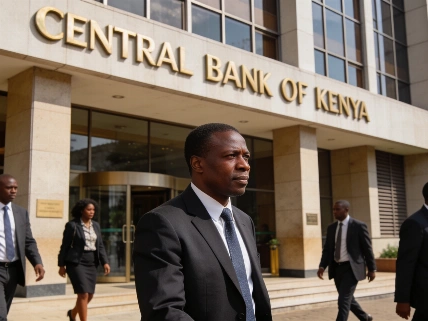
Kenya keeps lending rate at 8.75% as inflation nears target ceiling
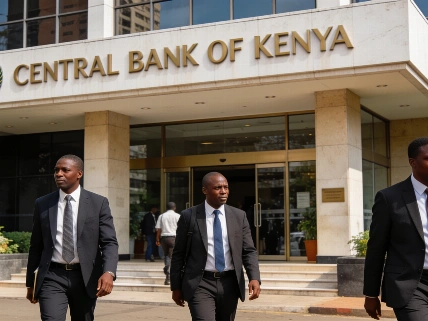
Kenya’s central bank has left its main lending rate unchanged at 8.75 percent, holding off on more hikes even as inflation pushes higher and household budgets feel the strain.
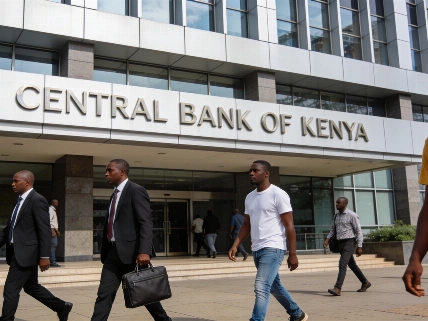
Kenya’s Central Bank has kept its key rate unchanged at 8.75 percent, resisting calls for cheaper credit as inflation edges close to the government’s upper target.
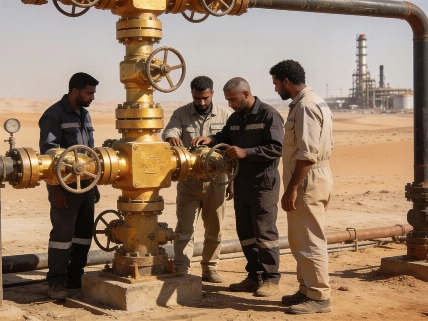
Nigeria has launched a new licensing round offering forty oil and gas blocks across onshore, shallow-water and deepwater areas, aiming to attract investment and revive production.
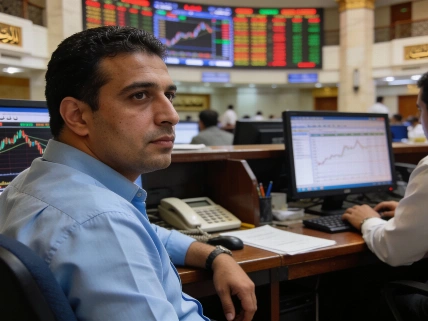
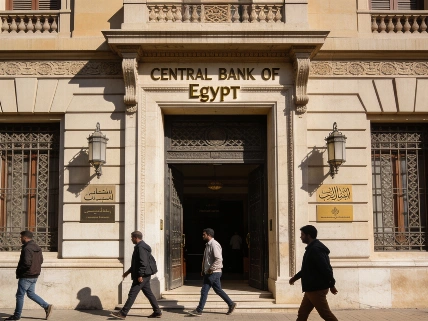
FTSE Russell has taken Egypt off its downgrade watch list. The country keeps its Secondary Emerging market status after key companies met index rules.
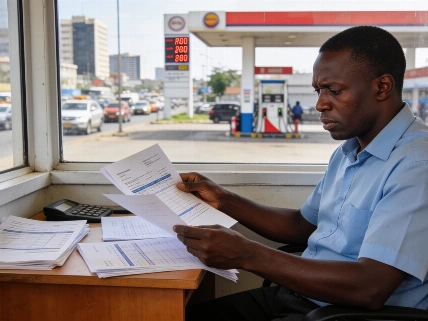
Kenya’s private sector is feeling the sharpest jump in costs in nearly three years. Inflation and supply snags are putting the country’s economic recovery at risk.
A detailed investigation reveals the stark price differences for popular hairstyles across Lagos, Abuja, Ibadan and Port Harcourt, exposing the true cost of beauty in Nigeria’s urban centres.
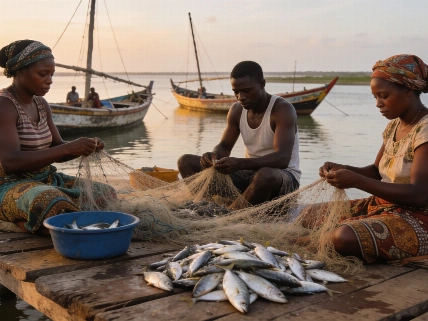
Nigeria’s fisheries are in crisis. IMION has set out a five pillar plan to protect marine resources and revive the Blue Economy.
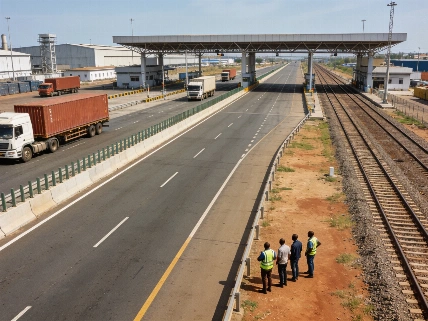
Africa’s infrastructure corridors are at a crossroads. Governments want to turn mineral wealth into regional industry, but face tangled governance and shaky financing.
Kenya’s central bank left its main interest rate unchanged for the fourth meeting in a row, even as inflation climbed to its highest level since early 2024.
Egypt is rolling out new long-term financing tools to back national and private sector projects, aiming to reshape its economy and boost private business.
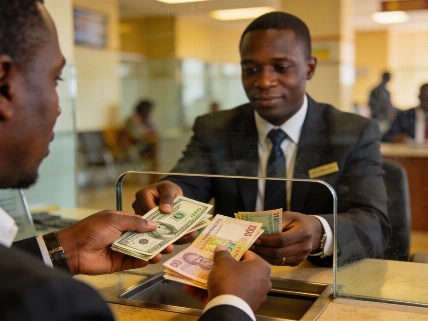
Ethiopia's central bank will put 840 million US dollars up for grabs in six foreign exchange auctions during the second quarter of the 2026/27 fiscal year.
Egypt is setting up a Unified Licensing Window to cut red tape for investors. The move is part of a three-year plan to boost private sector growth.
Ethiopia’s central bank is shaking up the foreign exchange market with scheduled USD 125 million auctions. Banks and businesses now get a clearer shot at hard currency.
Goldman Sachs predicts Nigeria could reach a $3.4 trillion GDP by 2050, a move that would shake up Africa's economic order.
Emerging-market assets are falling. Investors are reacting to higher oil prices and mixed signals from central banks. Inflation and debt risks are back in focus.
The IMF is pushing South Sudan to freeze non-essential spending and speed up reforms. Sudan’s war is driving up prices and deepening the crisis.
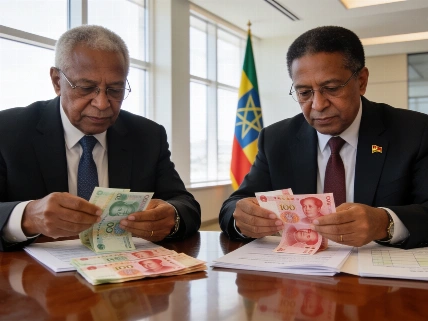
Ethiopia has secured a currency swap agreement with China, enabling trade in Ethiopian Birr and Chinese Yuan as both countries seek to deepen economic ties and address foreign exchange shortages.
Zambia is moving to restrict the use of the US dollar in domestic transactions, signalling a decisive shift towards local currency and echoing BRICS-led de-dollarisation trends.
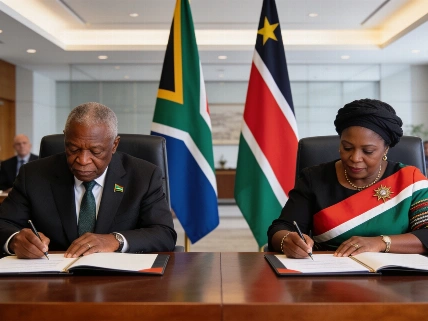
South Africa and Namibia have signed seven new agreements aimed at boosting trade, investment, and industrial growth. The move signals a stronger push for regional economic ties.
Libya stands at a crossroads. Oil riches and deep political rifts threaten both new prosperity and another round of chaos.
Egypt’s net international reserves climbed to $57.35 billion at the end of September 2026. The jump from last year cements the country’s financial buffer.
Nigeria’s aviation minister says $500 million for the Murtala Muhammed International Airport rebuild comes straight from fuel subsidy savings. The move signals a new way of funding big projects.