
Moniepoint Microfinance Bank reported disbursing more than ₦1 trillion, approximately $719.8 million, in loans to micro, small and medium enterprises in 2025. The bank said 75 per cent of recipient businesses were accessing formal business credit for the first time. BizWatch Nigeria also reported Moniepoint's lending total as more than $700 million.
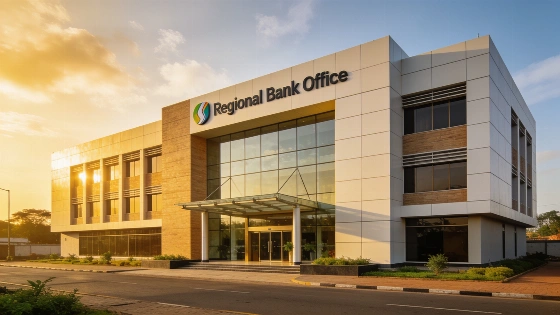
The lending came alongside plans to expand the bank's regional presence. After commissioning its North Central regional headquarters in Abuja on 21 November 2026, Moniepoint said it intends to open five more offices, bringing its planned regional network to six. The Abuja facility, at Plot 1103, Dar-es-Salaam Street, Wuse 2, is intended to coordinate operations across the region, TechCabal reported.
Planned offices and regional role
The proposed locations are Kano and Kaduna, along with Port Harcourt in Rivers State. The list also includes Ekiti State and Ibadan in Oyo State. Moniepoint says the offices are meant to bring services closer to business customers and offer in-person assistance. The Abuja headquarters is the first of the six planned regional offices. Moniepoint's reported network already includes offices and service centres in Borno, Bauchi, Kaduna, Kano and Sokoto, alongside more than 600 service locations nationwide.
Managing Director Babatunde Olofin said the regional offices would complement the bank's digital services, giving customers a chance to meet business relationship managers. Moniepoint's point-of-sale network reaches businesses across all 774 local government areas. The Abuja office was also described as expanding the bank's physical presence in line with Central Bank of Nigeria requirements for nationally licensed microfinance banks.
The approach pairs physical customer support with digital banking, a strategy also seen in another fintech's office expansion in Nigeria. Moniepoint has not said when the five proposed offices will open.
Loans remain subject to assessment
The planned offices do not create a separate loan programme. Business owners can check eligibility through Moniepoint's existing digital channels if they have an active business account that has been used consistently for at least six weeks. Loan offers, amounts and repayment terms depend on eligibility and assessment. The bank has said it plans to broaden lending to microbusinesses, agriculture and compressed-natural-gas projects.
Applicants can visit Moniepoint's working-capital loans page or use the Moniepoint Business app. In the app, they should select the loan icon, choose an available product and follow the displayed instructions. They should review interest rates, fees and repayment terms before accepting an offer. Opening an office does not guarantee approval.
Moniepoint Chief Business Officer Tobi Amira said businesses using its working-capital loans recorded average year-on-year transaction-volume growth of 40 per cent. At the Abuja inauguration, Vice-President Kashim Shettima was represented by Finance Minister and Coordinating Minister of the Economy Taiwo Oyedele, who commended the bank's contribution to financial inclusion. Moniepoint says its services reach more than 30 million businesses and individuals, while its agency banking network covers Nigeria's 774 local government areas.








