
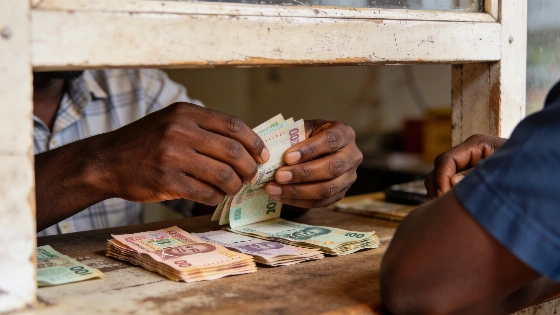
Nigeria’s official naira rate reached 1,339 per dollar on Thursday, just below the 1,340 level traders say could accelerate losses. The rate was 1,331 a week earlier, while street trading was closer to 1,370.
Importers have stepped up dollar buying as some investors take profits. Traders say a move beyond 1,340 could deepen the naira’s decline unless the basic bank sells dollars into the market next week.
A basic test for Nigeria’s foreign-exchange liquidity
The threshold matters because stop-loss orders and delayed importer hedges can cluster around round numbers in thinner foreign-exchange markets. A breach could prompt traders to cover positions and companies to lock in rates, lifting dollar demand quickly.
Dealers may not be able to meet a sudden surge immediately. That could leave the naira more volatile and widen the gap between the official rate and street trading. For importers paying overseas suppliers, a wider gap can increase the local-currency cost of dollar funding until liquidity improves.
Uganda’s shilling is also under pressure. Energy and merchandise importers are seeking dollars, with banks quoting around 4,250/4,260 per dollar compared with roughly 4,045/4,055 last Thursday, even after a reported basic bank dollar sale.
Peers currencies
Kenya’s shilling is expected to stay within a 128-130 range as dollar supply steadies and month-end flows provide support. The outlook comes alongside a separate report on Kenya’s import cover.
Ghana’s cedi is receiving support from improved interbank liquidity and mining-related inflows. Scheduled dollar sales by GoldBod are also expected to help.
Zambia’s kwacha may remain contained as corporates sell dollars to meet local-currency payments. Traders say the naira could face faster losses beyond 1,340 per dollar unless the basic bank supplies dollars next week.








