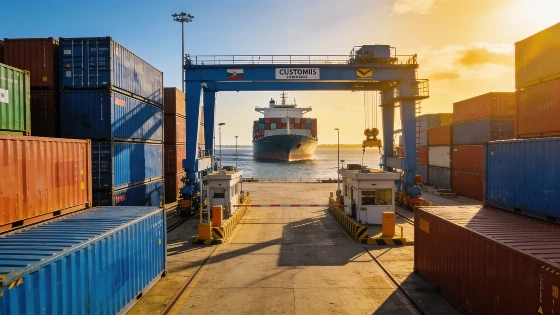
Cargo spent an average of about five days at Nigerian ports, with more than 90 per cent of that time idle, according to the Time Release Study cited by Nigeria Customs Service Comptroller-General Adewale Adeniyi. Publishing the findings helped expose operational bottlenecks and showed that delays involved several stakeholders.
Adeniyi spoke at the World Public Relations Forum in Abuja on November 17, 2026. He said institutions needed to communicate before implementing changes, be truthful when the facts were uncomfortable, verify information, match promises with results and listen to stakeholders.
Communication as part of reform delivery
The Customs Service's B'Odogwu platform replaced the Nigerian Integrated Customs Information System (NICIS) II. Adeniyi said early engagement with importers and clearing agents, alongside terminal operators and Customs officers, helped users accept the new system. The Service also set up helpdesks and rolled out implementation in phases to address concerns.
The African Continental Free Trade Area (AfCFTA) Secretariat has recognised the initiative as a model for the continent, Adeniyi said. Port performance also featured in wider reform coverage, including a report on Nigeria's export growth that covered port investment and export-processing measures.
He also called for careful verification before public statements on sensitive enforcement actions. He cited the seizure of 844 rifles at Onne in June 2024. Separately, Customs intercepted 399 rifles from a Mitsubishi Delica and 389 rifles aboard MV Vega. Adeniyi said accurate communication about such operations depended on verification and coordination between agencies.
"Communication must not be treated as an afterthought in institutional reforms; it must be part of the decision-making process from the beginning. When people understand a policy's purpose, they are more likely to support its implementation," he said.
Clearance targets and everyday service
The Authorised Economic Operator (AEO) programme offers a measurable test of the link between institutional commitments and delivery. Adeniyi said 51 companies had attained AEO status, and their cargo clearance time had fallen from 168 hours to 41 hours. More than 200 other companies had also benefited from the programme.
He warned that institutional reputation is shaped by routine encounters with public officers. An unanswered complaint can damage confidence, as can discourteous treatment at an airport or a poorly handled public engagement. For Adeniyi, communication must reflect the service people actually receive.