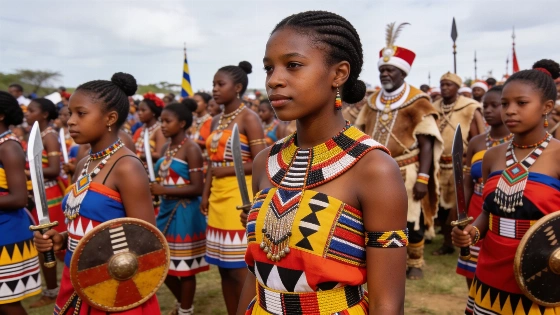
Nomcebo Zuma, 21, daughter of former South African President Jacob Zuma, has been named the royal fiancée of King Mswati III of Eswatini. Her selection came after she took part in the kingdom’s annual Reed Dance, a major traditional event held at Ludzidzini Royal Village near Lobamba. The Reed Dance draws thousands each year and serves as the setting for the king’s choice of a new wife.
Independent reports indicate that the Reed Dance can attract up to 40,000 unmarried girls and women each year, making it one of the largest traditional gatherings in Eswatini.
Royal alliances and political legacies
King Mswati’s brother hinted at Nomcebo Zuma’s selection as "liphovela"—the Swazi term for royal fiancée or concubine—before the ceremony began. On the night of the event, Zuma joined hundreds of other young women in the main arena, some carrying imitation swords and shields. Her appearance at the heart of Swazi royal tradition marks a new link between the Zuma family and the Eswatini monarchy.
While the Reed Dance is deeply rooted in Swazi royal tradition and takes place annually at Ludzidzini Royal Village, available independent materials do not confirm Nomcebo Zuma's official status as 'liphovela' through any formal royal document or government statement.
Tradition, scrutiny and the future of royal unions
King Mswati III’s marriages have long drawn attention, both for their number and for the ages of some brides. The Reed Dance remains the main stage for these choices, blending Swazi heritage with the realities of royal succession and public debate. Adding Nomcebo Zuma to the royal household comes at a time when the role of tradition and the overlap between political and royal power are under fresh scrutiny in the region.
With the Reed Dance over and the engagement now public, the union between Nomcebo Zuma and King Mswati III shows how personal ties can shift the balance of power in Southern Africa. The ceremony brought together two influential families and put a spotlight on royal customs that still carry weight, even as they draw both praise and criticism. In a region where family lines and leadership often mix, this engagement shows how tradition continues to shape who holds power.
According to a Liputan6 report, there is no independent confirmation of what happened after the initial announcement of Nomcebo Zuma’s selection, and the royal court or Eswatini government has not released any official decision or wedding date.