
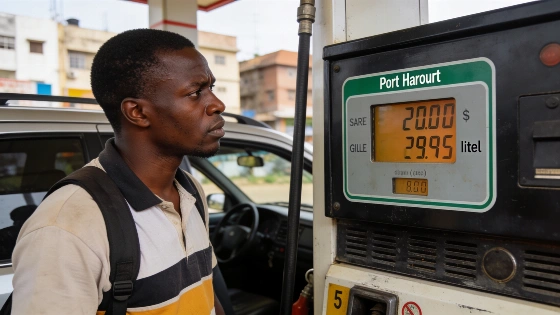
Petrol prices at Port Harcourt depots reached ₦1,900 per litre this week, a record that leaves Lagos behind and pushes up costs for Nigeria’s transport and factory operators. NIPCO led the increase, raising its rate by ₦170, while six other depots added ₦150. The government’s 30-day discount campaign has made little difference.
Lagos depots still offered petrol at ₦1,350 to ₦1,360 per litre. NNPC stations held at ₦1,360, while MRS posted ₦1,338. Independent marketers in Lagos raised prices to ₦1,400, but Port Harcourt’s spike set a new regional high. The gap between the two cities has never been wider. NNPC Retail launched its discount programme on October 1, 2026, to mark Nigeria's 66th Independence anniversary, then extended it to the end of October.
Transport operators quickly passed the extra cost on to passengers, and fares climbed overnight. Manufacturers, already squeezed by diesel bills, faced more pressure as diesel in Warri hit ₦1,900 per litre after Rain Oil and Matrix raised prices by ₦180. Goods cost more, adding to household pressure as the cost-of-living crisis deepens.
Brent crude’s climb to $104.50 per barrel has added to the pressure. The government’s discount scheme, meant to soften the blow, appears outmatched by market forces. Depot prices keep rising, widening the gap between official promises and pump prices. NNPC Group says there is no unified national petrol price and that the discount applies only at NNPC Retail stations. It is not a return to subsidy, as official statements explain.
Public frustration is mounting. The government’s fuel pricing playbook faces tough questions as economic hardship dominates headlines. The latest price surge has reignited debate over whether subsidy removal can hold and whether short-term discounts offer real relief. If depot and pump prices keep climbing, confidence in the government’s grip on fuel costs will continue to slip.
Port Harcourt’s figures show market forces outpacing official interventions. The government’s narrative of relief and stability is losing ground as supply and pricing pressures mount.
A Vanguard Nigeria market report said NIPCO’s depot price in Port Harcourt rose from ₦1,730 to ₦1,900 per litre, while six other depots went from ₦1,750 to ₦1,900. The increase was large.
The NNPC price list published by The Sun Nigeria showed petrol at ₦1,355 per litre in Lagos and Rivers states and ₦1,370 in Abuja, reflecting regional price differences rather than a single national rate.
Finance Minister Taiwo Oyedele said the NNPC Retail discount is temporary, not a subsidy. Petrol is sold at cost price for 30 days, with public transport operators given priority. NNPC Retail funds the discount by giving up its margin, not with government funds. NNPC continues to buy petrol from Dangote Refinery and other suppliers at market prices.








