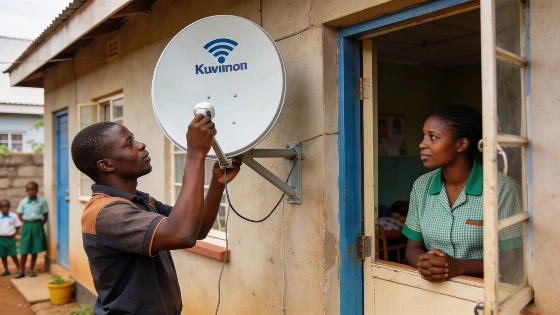
An estimated 5.4 million children worldwide live in institutions, while many African governments lack reliable figures on who is in care and how children might be reunited with relatives. That data gap is one reason SpaceX is donating 750 Starlink systems to residential childcare institutions in 16 countries through the US non-profit Both Ends Believing (BEB). Announced on 11 November 2026, the grant is valued at close to $1 million and includes hardware, shipping, installation support and 12 months of high-speed service at no charge, as Space in Africa reported.
In Africa, the recipient countries are Botswana, Ghana, Kenya, Malawi, Nigeria, Sierra Leone, Uganda, Zambia and Zimbabwe. BEB says its in-country teams and working relationships with national governments will support distribution. The nine countries are allocated 549 systems in total: Nigeria 210, Uganda 106, Sierra Leone 55, Malawi 53, Zambia 45, Ghana 28, Kenya 27, Botswana 14 and Zimbabwe 11. The allocation is detailed in Forbes Africa's report.
Connectivity for child welfare records
The internet service is intended to run Children First Software, BEB's child welfare platform. Governments and care providers can use it to register children and manage individual cases, while moving records from paper files into digital form. The system is designed to support efforts to return children to their biological families or place them in permanent family care. Starlink connectivity is intended to help institutions use these digital records and support family-tracing work, particularly where fixed broadband is unavailable or unreliable.
Each participating home is set to receive Starlink hardware and shipping, plus installation support. The grant also covers 12 months of high-speed service at no charge; after that period, facilities can access a subsidised Starlink impact plan and are generally expected to pay ongoing fees. BEB's teams and its relationships with national governments will support distribution across participating countries.
Reliable connectivity is a practical requirement for digitising records. A separate example of network investment in the region is Vodacom's Western Cape network upgrade; the BEB grant directs connectivity support towards childcare institutions and case records.
Records and oversight gaps
The African Committee of Experts on the Rights and Welfare of the Child (ACERWC) estimated that roughly 35 million children in Africa were without parental care in its 2023 Continental Study on Children Without Parental Care in Africa. The study found that more than 70% of African countries lacked an explicit, comprehensive policy framework to protect these children and urged governments to include them in national data systems. These estimates describe the wider child-welfare context, rather than the number of children reached by the Starlink grant.
The ACERWC has adopted General Comment No. 10 on Article 25 of the African Charter on the Rights and Welfare of the Child. It says institutional care should be temporary and used as a last resort, and calls on governments to register and monitor every institution caring for children while keeping records current.
Bruce Graham, President of Both Ends Believing, said: "You cannot reunify a child you cannot find, and you cannot inspect a facility you do not know exists."
For homes, BEB Vice President for Northern Nigeria Sandra Chikan said paper files can be damaged or lost, with key details missing. She said Children First can help facilities maintain records and trace relatives, but requires internet access. BEB works in more than 20 countries and says its digitisation efforts have covered tens of thousands of children's records, contributing to thousands leaving institutional care for family homes.