
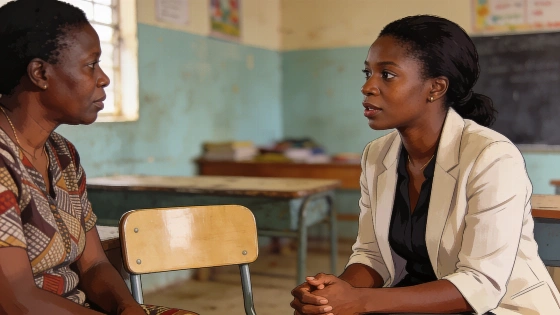
Adolescence can bring questions about identity and self-esteem as young people face social expectations and move toward adulthood, Professor Chinelo Ugwu said.
Ugwu made the remarks in an interview in Port Harcourt at an event marking the first anniversary of Gilt Counselling Consult, which she founded. She warned that expressions such as “coconut head” and “never-do-well,” especially when aimed at children struggling academically, could leave them with a negative view of their abilities.
Support for young people
Children learn at different paces, Ugwu said, and need encouragement suited to their individual needs. Judging them solely by academic performance can undermine their confidence and affect their development. Inadequate guidance during adolescence, she added, could contribute to emotional distress and behavioural difficulties.
Ugwu cautioned against placing all responsibility for misconduct on parents. Some caregivers, she said, lack the knowledge and skills to respond to children’s emotional and developmental needs.
Community counselling and parental education
She urged government agencies to support counsellors running parental education programmes in communities and churches, as well as other social institutions. The sessions could explain child development and help parents communicate effectively. They could also cover appropriate discipline and signs that professional support is needed. UNICEF has called for child and adolescent mental-health services to be integrated into health and community systems, with practical guidance and tools to plan and scale services.
Nigeria’s Counselling Practitioners’ Council Act, 2022, establishes a statutory structure for professional registration, standards, ethical conduct and disciplinary measures. The Oyo State Ministry of Education, Science and Technology has described the Council as responsible for registering qualified practitioners, maintaining a professional register and regulating conduct. In an October 28, 2026 briefing, Oyo State officials also supported preventive counselling to identify young people’s difficulties early, with services extending across schools, hospitals, community centres and social-welfare agencies. The state said it intended to strengthen collaboration on interventions addressing drug abuse, delinquent behaviour and other social problems affecting young people. Oyo State’s counselling briefing described early identification and appropriate intervention as basic to those services.
The World Health Organization’s African Regional Office reported on October 23, 2026, that nearly 150 million people in the region live with mental, neurological or substance-use disorders. It said only seven countries in the region have fully integrated mental health into basic healthcare and identified community-based care as part of a stronger response. WHO’s regional update highlighted the need for accessible mental-health services.
Ugwu said she established Gilt Counselling Consult after nearly four decades in education, concerned that limited guidance was holding young people back from realising their potential. Established on October 22, 2025, the organisation works with teenagers and young people to help them understand themselves, recognise their potential and manage challenges affecting their futures.
Ugwu said feedback from school outreach programmes and boot camps had been encouraging, with some parents and teachers reporting improved behaviour among participants. She called for greater government support for counselling initiatives and more public awareness of professional guidance in schools and communities. UNICEF’s October 2026 brief also called for practical guidance, evidence and tools to help countries plan and expand child and adolescent mental-health services within health and community systems. UNICEF’s mental-health brief set out that approach.








