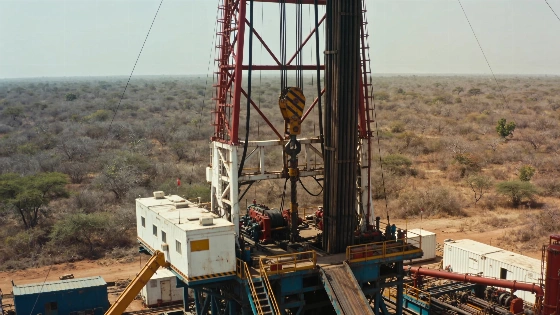
Angola plans to replace its multi-year oil and gas auction rounds with a faster concession process, making more than 100 blocks, mainly onshore, available from 2027. The National Agency for Petroleum, Gas and Biofuels (ANPG) aims to raise exploration drilling to 10 to 15 wells a year over the next six years, as mature fields decline and production remains around 1 million barrels per day. Alcides Andrade said more exploration wells could lift crude production over the long term, information from UG Standard.
Andrade, a board member of the agency, outlined the plans on the sidelines of the African Energy Week conference in Cape Town in October 2026. They are part of a 25-year hydrocarbon strategy intended to attract capital and offset declining output from mature fields. Near term, the goal is to improve recovery from mature assets and expand drilling. Over the longer term, the agency aims to bring new resources into production.
A shorter route to exploration concessions
If the plan passes later this year, more than 100 blocks, mainly onshore, would open for access. The faster concession process is set to begin in 2027. ANPG wants to cut the award process from six months to three, as Reuters reported.
Andrade said licensing terms would not follow a “one-size-fits-all” model. Instead, the agency wants to assess each block’s risk profile, distinguishing marginal or mature fields from other assets and onshore blocks from deep-water ones. The terms are meant to reflect those differences, supporting new exploration while improving returns from fields already in development.
Building on recent investment commitments
The strategy follows regulatory reforms that helped draw billions of dollars in recent commitments from TotalEnergies and Eni. Angola is Sub-Saharan Africa’s second-largest oil producer after Nigeria. Bloomberg reported that the 25-year plan builds on those reforms as the country works to keep crude production above 1 million barrels per day. ANPG has also reported more than $10 billion in investment in mature fields, with the potential to add about 1 billion barrels to reserves. That funding model differs from public infrastructure spending: a report on Lagos airport funding described a Nigerian project backed by fuel-subsidy savings.
The proposed plan is expected to pass later this year. The faster concession process is due to start in 2027.
ANPG is targeting 10 to 15 exploration wells annually over the next six years.