
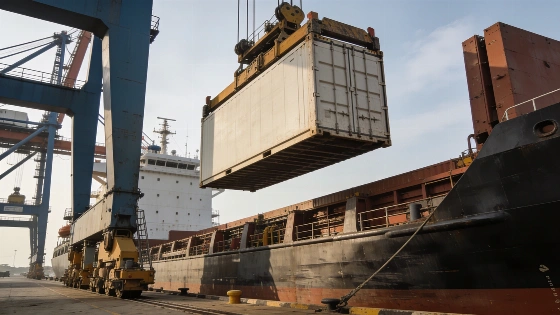
CMA CGM’s notice sets a $700 surcharge for a 40-foot container on the specified routes, twice the $350 charge for a 20-foot unit. The fee is separate from the base ocean freight rate and applies to short-term freight contracts.
For Togo, the added shipping expense could raise importers’ costs. China was the country’s largest supplier, with bilateral trade reaching $5.43 billion in 2025, up 55% from the previous year, information from figures released by Chinese authorities.
Who and what the charge covers
The notice was published on October 5 and said the surcharge would apply to cargo loaded on or after October 22, 2026. It covers shipments from China and its special administrative regions to Togo, Benin, Ghana, Côte d’Ivoire, Nigeria and Equatorial Guinea.
Dry and refrigerated containers under short-term contracts are included. The stated charge is $350 for a 20-foot container and $700 for a 40-foot container. Fuel and port-handling charges may add to the bill. Safety and security fees may also apply, alongside contingency and local charges. CMA CGM announced other route-specific increases during the same period. These included a $750-per-TEU surcharge on Far East cargo to Durban from October 22, a $1,000-per-TEU charge on cargo from South China and Hong Kong to Mombasa from October 25, and a $1,235-per-TEU charge on Far East shipments to Port Louis from October 28, as reported by Africa PORTS & SHIPS.
Earlier rate and uncertain exposure
A September 30 notice had set a separate $200-per-TEU surcharge for shipments from basic and southern China to the same destinations, with an October 15 producing results date. Both announced producing results dates have passed.
CMA CGM’s notices do not say whether the two charges apply together or whether the later rate replaces the earlier one. The company also gave no specific reason for the surcharge on these routes and did not state how long it would remain in effect. Other CMA CGM surcharge notices for African routes also listed bunker-related fees and terminal handling at origin and destination. They included safety and security fees, alongside contingency and local charges. The Mombasa surcharge was reported as producing results October 25 and remaining in force until further notice; the Port Louis notice had no specified expiry date.
Peak-season surcharge activity in late October also involved Maersk and Hapag-Lloyd. CMA CGM was active in the same period. Industry reporting described the charges as part of a wider mix of rate-restoration amounts and FAK tariffs, as well as bunker surcharges. It also covered EU Emissions Trading System costs and low-sulphur charges. For China-origin cargo, reporting on the Mombasa measure also described filing arrangements with the Shanghai Shipping Exchange. That treatment was specific to the Mombasa and other Asian route notices, including Port Louis, as detailed by Container Management.
Importers’ exposure will depend on their contracts and ability to absorb the extra expense. Some may pass part of the higher shipping cost on to customers through selling prices, but the volume of cargo subject to the charge is unknown.
The regional stakes extend through the Port of Lomé, which handled 2.4 million TEUs in 2025, up 16% year on year. The port functions as a transshipment and supply hub for neighbouring countries, particularly landlocked states in the Sahel.








