Dipula's property portfolio brought in R1.671bn in revenue in the year to 31 August 2026, up from R1.513bn, while net property income increased 12%. The JSE-listed REIT reported distributable earnings of 62.17394 cents per share, compared with 57.25707 cents a year earlier. Total distributable earnings reached R636m, up 22% year on year. The 8.6% increase in distributable earnings per share exceeded the company's previous guidance of 7% to 8%, according to its audited results announcement.
Shareholders were offered the option to reinvest all or part of the final dividend in new shares. Dipula's board approved dividend number 29 on 11 November 2026: a gross cash dividend of 28.45381 cents per ordinary share for the six months from 1 March to 31 August. The full-year dividend was 55.95655 cents per share, compared with 51.53136 cents a year earlier. Dipula maintained a distribution ratio of about 90% of group distributable earnings, meeting the minimum SA REIT qualifying distribution requirement. The company said the reinvestment option would let participants increase their holdings without dealing costs and provide shareholder capital to support growth. The election terms and dates were to be set out in a circular following regulatory approvals.
For the full year, headline earnings per share increased to 63.86 cents from 53.08 cents, while attributable comprehensive income climbed from R932m to R1.239bn. NAV per share rose to R7.95 from R7.50. Dipula forecast distributable earnings growth of 8% to 10% per share in its 2027 financial year after beating its previous target, as reported by CNBC Africa.
Portfolio growth and investment
Between September and its August year-end, Dipula concluded R3bn of transactions and raised about R2bn in new equity. During the year, it completed capital acquisitions worth R795.4m. The company said acquisitions and disposals sharpened its focus on retail and industrial assets while reducing its office exposure. It sold 10 non-core properties for gross proceeds of R93.1m and classified a further 12 assets, valued at R366.5m, as held for sale. After year-end, it reached an unconditional agreement to sell all but one of its non-core residential properties for R268m.
Dipula also agreed to acquire a retail portfolio valued at about R2bn from Moolman Group and co-investors. The deal covers nine shopping centres across four South African provinces and received unconditional approval from the Competition Tribunal on 3 November 2026. The company listed new equity on the JSE on 1 September 2026.
At August-end, the portfolio comprised 152 properties covering nearly 900,000 square metres across South Africa. Valuations rose 6.5% on a like-for-like basis, and the portfolio's total value increased 13% to R12.2bn, from R10.8bn across 158 properties in FY2025. Acquisitions worth R800m transferred during the year. Group NAV increased 20% to R8.2bn, while gearing improved to 31.8% from 34.9%.
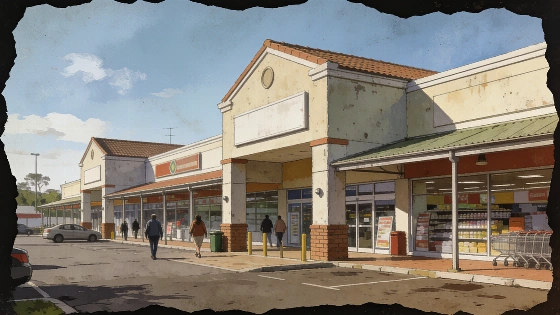
Retail assets in convenience locations across townships and rural or urban areas made up 68% of portfolio value. Logistics and industrial properties accounted for 15%. Offices made up 14%, while affordable residential properties accounted for 3%. Dipula invested R122m in refurbishments and redevelopments, including R55m in income-generating capital expenditure. It planned a further R250m over the following 12 to 18 months and expected to expand its solar PV. The company said proceeds from disposals would support debt repayment, while also funding refurbishments and strategic acquisitions; sustainability initiatives were another planned use.
Leasing and occupancy
New leases signed increased 20%, while tenant retention rose from 76% to 85%. Retention in retail and industrial, the company's two largest sectors, reached 87%. Retail vacancies fell to 4.5% from 5.1%, and vacancies across the portfolio declined to 6% from 8.5% a year earlier.
The total cost-to-income ratio edged down to 42.6%. Dipula said it would grow its retail portfolio and increase exposure to logistics and industrial properties. Advancing its sustainability programmes was also a capital allocation priority.