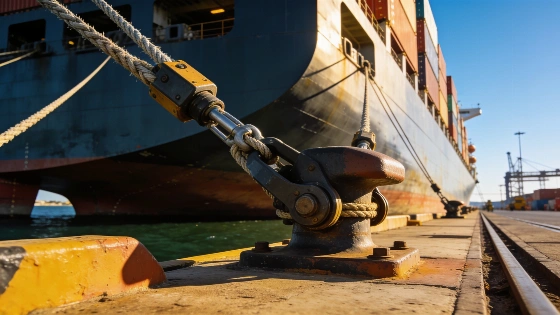
At Ngqura, shore tension units allow large container vessels to remain alongside in conditions that could otherwise force them to unberth. The port received the largest allocation because it handles larger ships and faces crosswinds and berth surge. TNPA says the units stabilise vessels alongside berths in adverse weather, limiting excessive movement so cargo operations can continue safely.
Transnet National Ports Authority (TNPA) has completed its R434 million (US$24.72 million) investment in 52 hydraulic tension mooring units across five commercial ports. The final eight units were commissioned at Ngqura in Gqeberha on 24 November 2026, completing the phased rollout. TNPA says the equipment is intended to reduce weather-related disruptions, precautionary vessel movements and the resulting costs for shipping lines and terminal operators. The authority outlined the completed programme in its official media statement.
How the units are distributed
Port of Ngqura received 16 units, while Port of Cape Town received 14. Port of Durban received 12; Port of Port Elizabeth received six, and Port of Saldanha received four. Shipping and cargo-handling operations at the ports are frequently affected by wind speeds exceeding 35 knots.
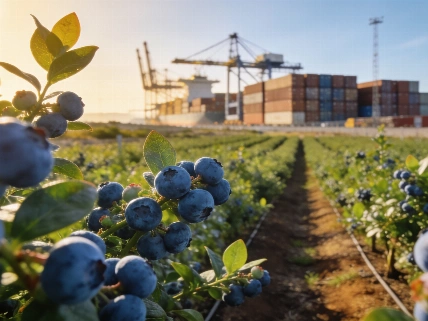
Cape Town's allocation addresses long-wave-related downtime that has disrupted fruit exports. Since 2023/24, ten shore tension units deployed there have reduced this downtime by 92%, according to Transport Minister Barbara Creecy. The remaining units extend coverage.
TNPA's mooring investment sits within a wider programme to renew port equipment. Transnet has also reported deploying nine rubber-tyred gantry cranes at Durban Container Terminal Pier 1 and nine at Cape Town Container Terminal. The programme also includes 20 straddle carriers at Durban Container Terminal Pier 2, one ship-to-shore crane at Port Elizabeth, and more than 200 haulers and trailers across container terminals, as detailed in a Transnet terminal update.
TNPA has also begun an access-road rehabilitation programme at Richards Bay.
Skills and maintenance
The project included a skills-transfer programme implemented by ShoreTension B.V. to train TNPA Marine Shorehands to operate and maintain the technology. Hydraulic tension units need maintenance and calibration. Keeping that technical capability within TNPA reduces reliance on the supplier for routine servicing.
Ryan Woods, terminal planning manager at Maersk South Africa, said the shore tensioners had improved vessel stability and made the ship-to-shore interface safer during cargo operations.
TNPA chief executive Mohammed Abdool said the rollout reflected the authority's commitment to infrastructure investment that improves operations for customers. He said the units could reduce weather-related disruption and help vessels remain safely alongside berths.