FTSE Russell has removed Egypt from its downgrade watch list, keeping the country in the Secondary Emerging market category instead of moving it to Frontier status. The decision follows Egypt meeting the index provider’s minimum number of qualifying securities.
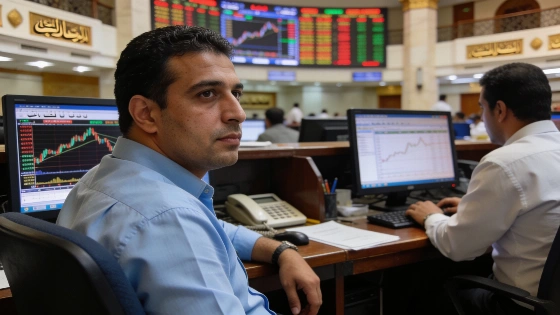
The Egyptian Exchange (EGX) was quick to highlight the result, calling it proof of the market’s strength and listed companies’ ability to weather global shocks. Ahram Online reported that “In 2026, the total trading value on the Egyptian Exchange surged by nearly 80% year-on-year in the second quarter, marking a impressive improvement in market liquidity.”
Basic companies boost Egypt’s standing
Three Egyptian firms now meet FTSE Russell’s mid-cap requirements. Talaat Moustafa Group Holding (TMG Holding) and Telecom Egypt joined Commercial International Bank (CIB) in this group. The index reviews in March and September 2026 made the change official, bringing Egypt into compliance with the rule requiring at least two qualifying securities. The change secured Egypt’s status and widened the country’s presence in emerging market indices. More international investors may now take notice, as the FTSE Russell annual review shows.
EGX Chairman Omar Radwan called the removal from the watch list a clear sign of trust in Egypt’s market. He said real market strength shows in tough times, when efficiency and appeal matter most. Recovery and growth count, too.
Ability to recover and what comes next
Radwan compared the last year to a live crisis test. He said international investors look for flexibility: whether listed companies can keep operations running and adjust quickly while continuing to grow when conditions get tough.
Egypt’s listed companies span many sectors and sizes. Radwan said more of them now meet or exceed global standards. Still, he acknowledged that Egypt needs to be more visible and open so international investors can see the opportunities in the market. FTSE Russell said Egypt was placed under its watch in October 2025 after the number of qualifying securities fell below the required minimum. That followed a September 2023 review focused on delays in the repatriation of foreign capital.
The FTSE Russell decision is a major moment for Egypt’s capital market, but Radwan said the work is not done. EGX plans to deepen the market, attract more investors and boost competition, while raising the global profile of Egyptian companies. It also plans to develop new financial products and upgrade technology, alongside improvements to trading and disclosure systems.
Egypt kept its emerging market status despite global headwinds, and the market proved it can adapt. The challenge now is to turn this technical win into lasting progress through greater openness and more investment, building a market able to compete for global capital on its own terms.