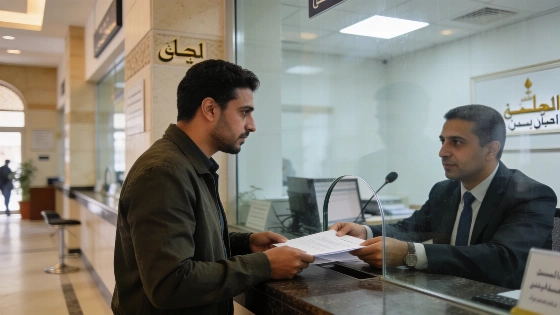
Egypt is getting ready to change how investors do business. The government plans to launch a Unified Licensing Window. This new system aims to cut through the paperwork and make it easier for investors to get started. Minister of Planning and Economic Development Ahmed Rostom announced the plan at the Alamein Africa Forum in New Alamein. The Unified Licensing Window is a key part of Egypt’s three-year economic transformation programme.
Egypt's current IMF-backed financing programme was expanded to $8 billion over 48 months, with completion scheduled for December 15, 2026.
Programme targets and policy direction
The Unified Licensing Window is just one piece of a bigger plan. Egypt announced the full economic programme in July with the Central Bank of Egypt. This programme will guide policy after the current IMF deal ends in December 2026. The main goals are clear. Egypt wants to boost its economic edge, keep public debt under control, and improve how fiscal and monetary policy work together. An Ahram Online report details other targets: digital transformation, investing in people, and reforms to raise productivity in both industry and government.
Egypt’s leaders want the private sector to make up more than 65% of the economy by 2030. That’s a big jump. The State Ownership Policy is already in motion. It aims to shrink and regulate the state’s role in companies and open more space for private investment. This includes initial public offerings. In September, the government approved an action plan to guide this shift. The reforms are tied to a wider push to attract investment, boost the stock market, and manage state assets better.
Implications for investors and the Egyptian economy
For investors, the Unified Licensing Window could be a game changer. Egypt’s old system is known for its complex rules and slow approvals. If the new window works as planned, it could lower barriers, speed up processes, and make things clearer for both local and foreign investors. The government’s push for digital tools and structural reform shows it knows that efficiency and productivity matter now more than ever. There’s more. The Economic Entities Platform, a digital service, has been approved to bring all licensing, permits, and approvals together for investors. This was reported by Ahram Online.
The implementation plan for the State Ownership Policy includes 31 core programmes and around 100 specific measures, all aimed at expanding the role of private capital, attracting investment, boosting the stock market, and improving the management of state assets.