Reserve-money growth reached 87.2 percent in the first quarter of Ethiopia's 2026/27 fiscal year, up from 72.6 percent a year earlier. Broad-money growth also accelerated, reaching 40.2 percent compared with 33.2 percent. The NBE said its gold operations drove most of the sharp reserve-money increase: they raised net foreign assets while injecting birr liquidity into the banking system.
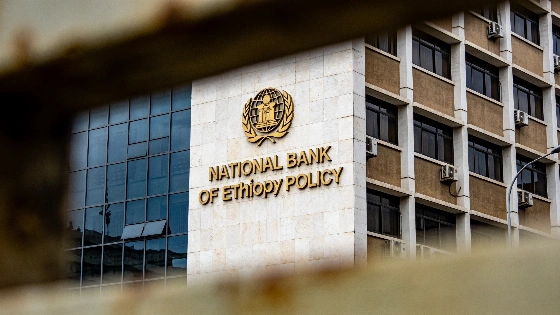
Against that backdrop, the National Bank of Ethiopia (NBE) kept its policy rate, identified in its release as the NBR, at 16 percent and said it would absorb excess banking-system liquidity through open-market operations. The Board approved the decisions after the central bank's eighth Monetary Policy Committee meeting; the NBE announced them on 3 November 2026. The NBE retained the interest-rate corridor at plus or minus 300 basis points. The committee described monetary and financial conditions as moderately loose. It said a tight policy stance remained necessary to pursue its medium-term goal of single-digit inflation, according to the NBE committee statement.
Liquidity and inflation pressures
The committee identified the NBE's gold operations as a major contributor to reserve-money growth. Purchases increased foreign assets and injected birr liquidity into the banking system. The Reporter Ethiopia has described the programme: the NBE buys gold from artisanal miners and sells it overseas, then supplies the resulting foreign currency to commercial banks through regular auctions. The committee also said Treasury bill yields and interbank money-market rates had continued to fall and had been negative in real terms since May 2026. It linked the decline in short-term rates to banks' large excess reserves at the central bank.
Headline inflation was 14.9 percent in September. The committee expects it to decline, but projects that it will remain in double digits over the next six months. It said supply-side factors following the Middle East conflict drove most inflationary pressure. Food inflation eased to 14.8 percent in September from 15.1 percent in June, while non-food inflation rose to 15.1 percent from 12.2 percent.
The interest-rate corridor remains at plus or minus three percentage points. The NBE will also continue to apply targeted additional reserve requirements to individual banks if credit expansion threatens its inflation outlook. It will base those decisions on regular assessments of banks' loan-to-deposit ratios. The committee said it could assess banks individually rather than apply the additional requirement uniformly across the sector.
In 2026, the NBE raised its policy rate by one percentage point to 16 percent and removed the annual bank-credit-growth cap of 24 percent. It also reduced the foreign-exchange surrender requirement to 30 percent, as reported by The Reporter Ethiopia.
Household context and next meeting
The wider economic pressures on households and firms were examined in The Africans Time's earlier Ethiopia analysis, which reported strain amid reform measures.
The committee is scheduled to meet again at the end of January 2027, or earlier if conditions warrant.