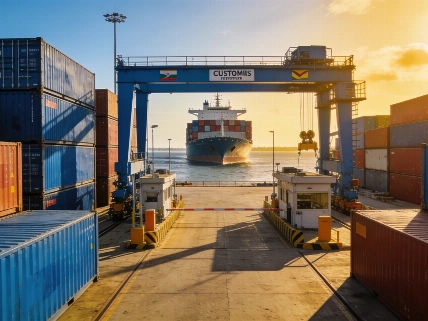
Ethiopia's accession to PAPSS has opened the way for local-currency payment links with African counterparts, but practical access depends on domestic banks joining the network. The National Bank of Ethiopia has not named the first participating lenders or given a date for customer services to begin.
The PAPSS COWRY Summit is convening in Addis Ababa on 26 and 27 November 2026. Organisers expect more than 1,000 delegates; the programme includes 60 speakers and 35 exhibitors, with financial institutions and regulators joined by technology companies.
From network expansion to commercial use
Jointly organised by PAPSS and the National Bank of Ethiopia, the summit centres on the Pan-African Payment and Settlement System (PAPSS). It enables businesses and individuals to make cross-border payments in local currencies. For an Ethiopian importer, that could mean paying a supplier in birr while the supplier receives funds in its own currency. The arrangement would not remove exchange-rate risks. Settlement obligations and regulatory requirements would still apply.
Afreximbank established PAPSS in collaboration with the African Union; the AfCFTA Secretariat was also involved. The system launched in Accra, Ghana, in January 2022. Figures released by PAPSS in September 2026 show it spans more than 30 African countries and connects 24 national and regional central banks. The network has more than 200 commercial banks and payment service providers; PAPSS also reported 16 payment switches. PAPSS reported that transaction volumes rose by approximately 1,000 per cent year on year in September, but did not disclose the number or value of transactions.
For Ethiopia, the potential benefit sits within a wider foreign-exchange reform effort. In July 2024, the central bank introduced a market-determined exchange-rate regime to address longstanding shortages. PAPSS could reduce reliance on intermediary currencies for eligible intra-African transactions, but its effect on foreign-exchange constraints will depend on trade volumes and settlement arrangements, as well as which institutions take part.
Commercial access will require domestic banks to become operational participants. Regulatory conditions can also affect cross-border banking structures, as seen in Access Bank's NBK filing; that case concerned group accounts, not PAPSS participation. The summit's agenda also examines links between African payment infrastructure and international financial networks, alongside sessions on stablecoins and digital assets, as well as artificial intelligence and cybersecurity.
The first PAPSS COWRY conference, held in Lagos in December 2025, drew more than 600 participants from 25 countries. The current summit's projected attendance is about two-thirds higher. The National Bank of Ethiopia has not specified transaction fees or when customers can access outbound local-currency payments.