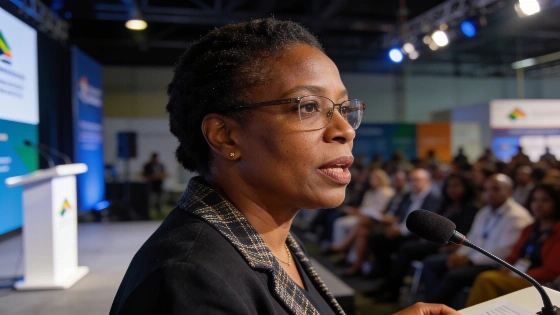
ICASA is rethinking its playbook. Mothibi Ramusi, chair of the Independent Communications Authority of South Africa, told telecom executives in Johannesburg that the regulator plans to step back when needed and avoid smothering new ideas with red tape.
ICASA plans to increase the amount of broadband spectrum available for allocation from 850 MHz to at least 18,588 MHz by 2030, representing a potential 215% growth in spectrum accessibility.
Regulation that keeps pace with change
"The future regulator, which we are currently building, must have a broader regulatory toolkit, importantly, as ICASA we must know which instruments to use, when to use them, and when not to regulate," Ramusi told the crowd. He said technology is upending how infrastructure and spectrum are managed. The regulator's job is to let new players enter the market without wrecking fair competition or wasting spectrum.
Cloud computing and artificial intelligence are driving up demand for new infrastructure. Ramusi pointed to the rise of data centres and cloud platforms. Networks now need to connect people to computing power and link machines directly, not just connect people to each other.
At its annual two-day stakeholder engagement, ICASA emphasized that regulation must be responsive, proportionate, predictable, and fit for purpose, supporting innovation, investment, competition, and the sustainability of regulated sectors.
ICASA also withdrew a separate notice about the inquiry into telecom service availability, but kept the process alive with a new notice issued the same day. This shows the regulator is willing to change course and keep its interventions relevant as the sector shifts.
In May 2026, ICASA rolled out rules for Dynamic Spectrum Access and opportunistic spectrum management in the 3800–4200 MHz band. This approach uses a database to let operators tap unused spectrum and share it, instead of sticking to old-school exclusive licences, as reported by MyBroadband.
Ramusi pressed the question of whether ICASA is ready for this new era. He said South Africa should push to become a digital infrastructure hub for Africa. Solly Malatsi, Minister of Communications and Digital Technologies, echoed this goal at the 2026 GovTech conference in Durban.
ICASA is moving away from rigid rulebooks. By building a toolkit that can flex with new tech, the authority is giving South Africa a shot at digital leadership. The next step depends on whether this approach delivers faster innovation and a real edge in digital infrastructure.