January 2026 brought a brutal winter storm to the US, but T-Mobile’s AI-powered network didn’t wait for human intervention. The system fired off more than 30,000 antenna changes and squeezed an extra 250,000 minutes from backup batteries. Within an hour, 68 percent of customers had service again. Eight hours in, that number hit 98 percent. AI now sits at the core of how T-Mobile keeps people connected when the weather turns ugly.
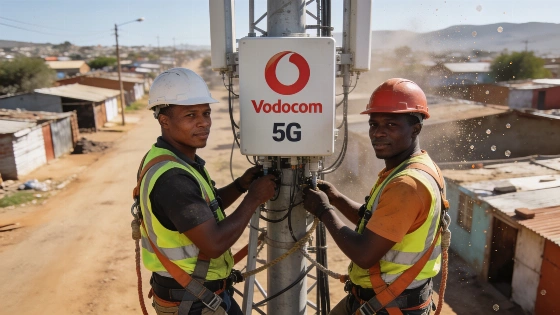
Vodacom’s network expansion in the Western Cape includes both rural and urban areas, aiming to improve digital inclusion and energy resilience across the province.
SpaceX gets FCC nod for direct-to-device satellite rollout
While T-Mobile sharpens its ground game, SpaceX has won US FCC approval to launch up to 15,000 satellites in very low Earth orbit. The goal: direct-to-device mobile service. The order, dated 6 October, covers nine orbital shells between 326 and 335 kilometres. It authorises both mobile satellite and supplemental cellular coverage. According to a Satellite Today regulatory report, SpaceX must get at least half the satellites up by October 2032 and finish the lot by October 2035. Some spectrum rights still hinge on the EchoStar licence transfer, and several frequency requests are on hold. This approval stands apart from the earlier Starlink broadband network. The new satellites are not yet in service.
Vodacom puts R500 million into Western Cape upgrades
Vodacom is pushing more than R500 million into the Western Cape this financial year. R380 million goes to modernising its radio access network. An official Vodacom Group announcement details over 50 sites set for replacement or upgrades, with another 50-plus locations getting 4G boosts on 700 MHz spectrum. The company is adding new 5G sites in provincial towns and spending on batteries and generators to keep signals live during power cuts. Vodacom reports mobile data use in the Western Cape has jumped over 40 percent year-on-year. The expansion covers rural communities and townships as well.
Vodacom’s energy resilience projects are designed to keep mobile services running during power outages, cable theft, municipal infrastructure failures, and scheduled maintenance, ensuring reliable connectivity for communities.