
Rivers State has 3,736,434 registered voters, the largest electorate in Nigeria’s South-South. That makes reliable election operations a particular concern for the commission. The South-South has 15,823,550 registered voters, equivalent to 15.30% of Nigeria’s national register. INEC says preparations are under way and its statutory timetable will remain unchanged.
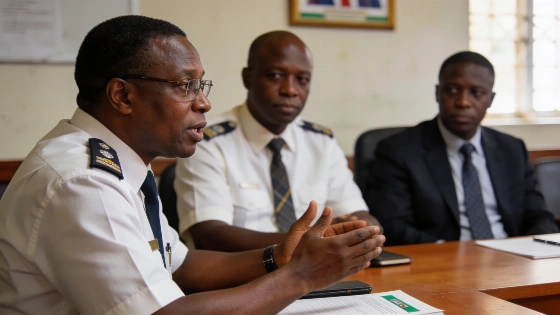
At a meeting with officials in Port Harcourt on 31 October 2026, Chairman Joash Amupitan said the presidential and National Assembly elections are scheduled for 16 January 2027. Governorship and State Houses of Assembly elections are set for 6 February. “Our statutory timeline is fixed. We will not change anything. The election must hold as scheduled,” he said, as Punch reported.
Register and regional preparations
The final voters’ register is due to be certified and published on 15 December 2026, after the current verification and objections process. INEC has published the preliminary register online and at designated centres across the country. Voters can check details and submit claims or objections. The commission has received more than 5,000 claims seeking corrections to voter details, including names and dates of birth, alongside over 600 objections. The final-register deadline was reported by Arise News.
INEC’s national register has surpassed 103 million voters, and Amupitan said the commission had completed nine of 14 major statutory milestones in its revised election timetable. Rivers leads the South-South by voter numbers. Delta has 3,525,988 registered voters and Edo has 2,865,263. Akwa Ibom has 2,566,198; Cross River has 1,928,978, while Bayelsa has 1,200,691. Amupitan said Rivers would receive particular attention and told officials to prevent voters being disenfranchised through administrative negligence or logistical failures. The state’s 3,736,434 registered voters are spread across 23 local government areas.
Amupitan said INEC had considered a full revalidation of the register after he took office, then set the idea aside because the exercise could come too close to the general elections and disrupt preparations. The commission instead proceeded with the display of the preliminary register, claims, objections and corrections ahead of final publication. He said lessons from recent off-cycle polls would inform the commission’s planning. “We will conduct elections that will move the nation forward and not an election that will bring it down,” he said.
Execution is also a concern in other areas of Nigerian public administration. An order to clear more than 300 electricity-equipment containers held at ports for 14 to 20 years, with their possible use in power projects to be assessed, was covered in an earlier report.
Security and technology
INEC is working with security agencies to support a peaceful environment for campaigns and voting, Amupitan said. He also rejected concerns that artificial intelligence could determine the poll outcome: “It is the people of Nigeria that will decide the outcome of the elections and not AI or any algorithms,” he said.








