Approximately 160 Kenyan media practitioners have received training through programmes run by China's National Radio and Television Administration (NRTA) over the past decade. That exchange gives Kenya and China an established professional link as they consider wider cooperation across broadcasting and the creative industries.
On 24 November 2026, Principal Secretary for Broadcasting and Telecommunications Stephen Isaboke hosted an NRTA delegation at Telposta Towers in Nairobi. Led by Shi Zhiyan, the delegation discussed policy dialogue, industry cooperation, emerging technologies, professional exchanges, content sharing and co-productions, as well as responses to misinformation and disinformation. Isaboke said AI-generated content was changing media operations and that training and exchanges could help improve the efficiency of AI use in production, as Kenya's ministry reported. The two sides agreed to develop memoranda of understanding as a framework for future cooperation.
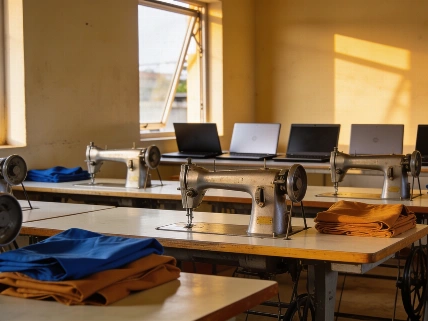
A two-day China-Africa AI Media Training programme also began in Nairobi on 24 November and ran through 25 November. It brought together 80 professionals from Kenyan media organisations, including the Kenya Broadcasting Corporation (KBC), Royal Media Services and Standard Group PLC. The NRTA hosted the programme, the Chinese Embassy in Kenya supported it, and the NRTA's Academy of Broadcasting Science organised it. Shi said the training was intended to build practical AI capabilities and help Kenyan practitioners tell local African stories and ensure African voices are represented in the digital transformation, Citizen Digital reported.
Content partnerships and archive preservation
One area of interest is greater content sharing and co-production with KBC, Kenya's state-owned radio and television broadcaster. Joint productions could widen Kenyan audiences' access to content while creating opportunities for local work to reach international markets. The wider cooperation agenda also includes professional exchanges and technical training, building on the previous NRTA programmes for approximately 160 Kenyan practitioners.
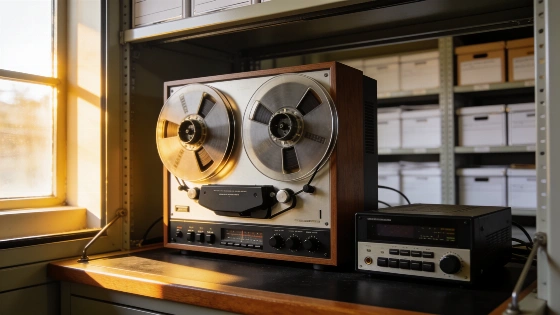
The discussions also covered digitising media resources and restoring historical audiovisual archives. These proposed areas of cooperation could help preserve Kenya's broadcasting heritage and improve access to historical material, alongside the use of emerging technologies in production.
The proposals sit within wider African discussions about the infrastructure needed for AI. An analysis of cross-border fibre reported calls for stronger links between African countries as a condition for AI and data-centre growth; the Kenya-China discussions focus on media cooperation and professional capacity.
Isaboke welcomed the proposals and stressed the need for practical partnerships with mutual benefits. The meeting also recognised Sing for Africa as a platform for showcasing creative talent and engaging young people through cultural exchange. The discussions included cooperation on misinformation and disinformation, alongside plans to develop MOUs covering the broader partnership.