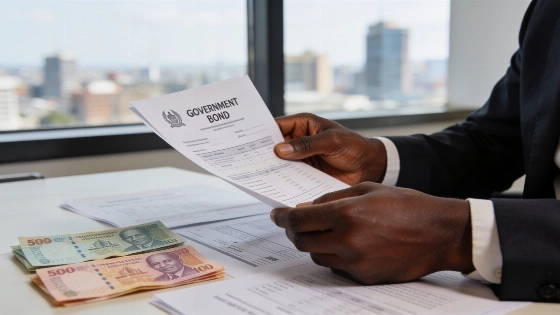
Traders in Nairobi’s bond market started noticing a new heavyweight buyer in July 2026. Kenya’s National Infrastructure Fund, armed with KSh340 billion in seed capital, began snapping up government bonds instead of rushing into construction contracts. The fund expects this portfolio to throw off about KSh42 billion in annual investment income.
The fund began purchasing domestic government bonds in July 2026, but has not disclosed the exact volume of securities acquired as of October 7, 2026.
The fund’s war chest came from the partial privatisation of Kenya Pipeline Company and the sale of a 15% Safaricom stake to Vodacom Group. Kenya skipped new taxes and sidestepped extra public borrowing, instead turning state assets into investable capital. The goal: generate recurring income and ease the strain on annual budget allocations for infrastructure.
There’s a trade-off. Selling public equity means giving up future dividends from those companies, and the bond-heavy strategy exposes the fund to interest-rate swings and sovereign credit risk. The projected 12.35% annual yield looks strong, but actual returns will hinge on market shifts, bond prices, and reinvestment options. Fund managers plan to deploy the full KSh340 billion by June 2027, with bond buying already underway since July 2026, as Eastleigh Voice reports.
Looking ahead, the fund wants to mobilise KSh3.6 trillion over the next decade through investment income and co-investment deals. The focus is on projects in energy and transport, plus sectors like telecommunications, agriculture, and water. Instead of going it alone, the fund plans to partner with both local and international investors, using its capital to unlock bigger development deals.
The fund’s strategy includes purchasing government securities not only from new issuances but also from existing holders such as banks and other investors, with the goal of releasing liquidity into the banking sector to support increased lending to businesses and households.
Kenya’s National Infrastructure Fund is betting on investment returns and partnerships instead of direct government spending. The real measure will be whether these financial moves turn into finished projects and tangible economic gains. For now, the fund’s strategy stands as a live test of how state assets and financial markets can drive national development.