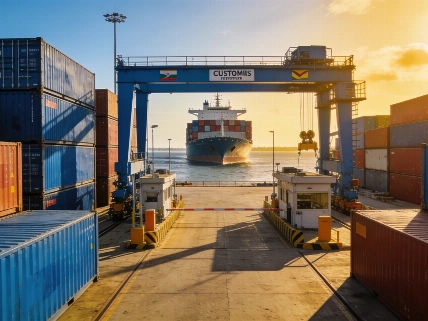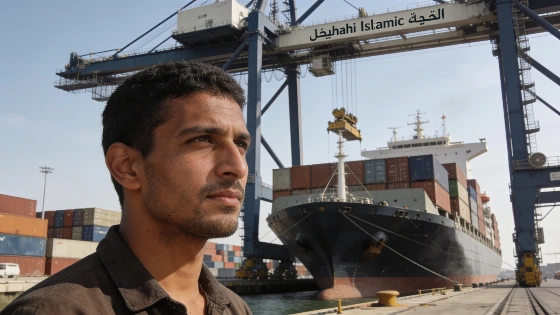
Saudi ports handled approximately 866,200 TEUs in October 2026, up 14% from approximately 759,800 TEUs in October 2025, according to figures attributed to Mawani spokesperson Abdullah Al-Munif. Jeddah Islamic Port handled 582,900 TEUs, its highest monthly volume on record and 27.45% above its previous record, set in June 2026, according to Zawya.
That growth forms the backdrop to a three-year memorandum of understanding signed in London on 8 November 2026 by the Saudi Ports Authority, known as Mawani, and Lloyd's Register. Mawani President Eng. Suliman Al-Mazroua and Lloyd's Register Chief Executive Officer Nick Brown signed the agreement. The partners will explore cooperation on maritime governance and capacity building, as well as sustainability, digitalisation, regulatory compliance and risk management, according to Lloyd's Register. The October throughput figures predate the November agreement.
Exploratory work across port operations
The MoU aligns with Saudi Arabia's National Transport and Logistics Strategy, launched in 2021. The partners will assess how Lloyd's Register's advisory expertise could support maritime and port administration and operations. Possible work includes governance and organisational assessments, competency frameworks and leadership development, alongside stakeholder engagement and policies aligned with international standards, including safety, risk management and regulatory compliance.
Environmental work under consideration includes environmental-management systems and decarbonisation initiatives, as well as green-port programmes. The two organisations will also explore sustainability strategies and performance indicators, alongside reporting frameworks. Digitalisation is another prospective workstream, but the agreement sets out no specific technology or implementation programme.
Workforce development is another area. Potential measures include stronger links between maritime education and industry, training and professional qualifications, as well as leadership development and support for workforce localisation. The partners will also consider ways to increase women's participation and career development in the maritime sector.
Innovation and maritime insurance are also among the subjects they may address. The MoU sets out areas to explore over three years; it does not establish a funded implementation programme or confirm that specific projects have launched.
Capacity and implementation
Governance and compliance will matter as port activity expands. Sustaining higher throughput depends in part on regulatory frameworks and safety standards keeping pace with increased capacity. The agreement identifies these as possible areas for cooperation; it introduces no new regulation or compliance deadline.
A port-financing report examined Morocco's 13-year AFD loan for upgrades across southern ports. It offers a separate example of the institutional and investment arrangements shaping port development.
Workforce localisation has a longer-term objective. The source describes Saudi Arabia's maritime sector as substantially reliant on expatriate technical staff and identifies education-industry links as one way to develop domestic competency as capacity expands towards the strategy's 2030 targets.
James Frew, maritime advisory and energy sales director at Lloyd's Register, said: "This agreement reflects our shared ambition to support a safe, sustainable and future-ready maritime sector in line with Saudi Arabia's ambitions to position itself as a global logistics hub."
"By combining Mawani's national leadership with LR's international maritime and technical experience, we can identify practical opportunities to strengthen capability and accelerate innovation," he added.