
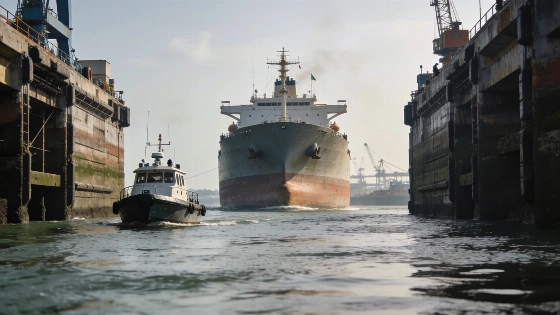
The Nigerian Ports Authority had declined to renew the Lagos and Bonny channel companies’ contracts, granting them six-month extensions instead. The Federal Executive Council has now approved four companies to manage shipping channels leading to Nigerian seaports.
Capt. Ebubeogu Ihenacho, a former general manager at the Nigerian Ports Authority, outlined the changes at the annual general meeting of the Nigerian Association of Master Mariners. He said ownership of the Lagos Channel Management Company and the Bonny Channel Management Company will change.
New setup for port channels
A new company will manage the Lagos port channel under a new name. The Calabar Channel will have a separate management company. China Harbour Engineering Company and two other firms will form a group to manage the Warri channel. That group will establish a special company with the Nigerian Ports Authority to manage the Escravos channel.
Sources close to the ports authority expect a Belgian company to take over channel work at the Lagos ports. Reports have not confirmed the identity of the new owners.
The changes come amid wider attention to port performance, including Nigeria’s port upgrade plans. The previously granted six-month extensions remain the confirmed interim measure for the Lagos and Bonny channel companies.








