
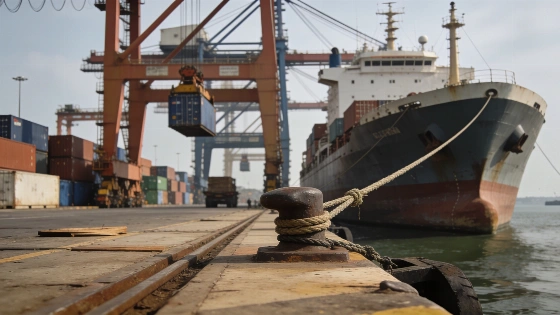
The Maritime Anti-Corruption Network (MACN) says its Nigerian HelpDesk has received more than 1,500 pre-arrival notifications. These let shipping operators report potential problems before or during a vessel’s port call. In an October 28, 2026 report, The Maritime Executive reported that 98% of complaints submitted through the service had been resolved.
Average resolution times have fallen from seven to 10 days before the HelpDesk was introduced to between one and eight hours since 2019. MACN links the response to pre-arrival reporting and country-specific operational guidance, backed by escalation support. These tools help companies identify applicable procedures and channels before port operations begin.
Reforms improved turnaround
The changes followed the introduction of the Nigerian Port Process Manual and harmonised operating procedures. Interagency monitoring mechanisms were also designed to reduce corruption and unofficial demands, while cutting delays during ship calls. The wider reform process has developed over roughly a decade. The HelpDesk and pre-arrival notifications have helped make port calls more predictable.
Faster handling has not removed the underlying risks. MACN says enforcement remains inconsistent, while outdated procedures and resource constraints continue to undermine progress. The Port Standing Task Team faces resource constraints. MACN has identified the Port Service Support Portal as a way to support incident reporting and complaint resolution, while collecting data for enforcement.
Implementation remains a challenge
After meetings with government agencies and shipping interests in Abuja and Lagos, MACN is pressing for operating procedures to be updated. It also wants better data sharing and wider use of the Port Service Support Portal. Full integration into port operations is seen as significant to sustaining progress. The focus on delivery comes as Nigeria works to ease congestion, covered in reporting on port upgrades.
MACN is seeking closer cooperation with the Nigeria Ports Economic Regulatory Agency (NPERA), which succeeded the Nigerian Shippers’ Council as the country’s port economic regulator. MACN representatives met NPERA Director-General and Chief Executive Officer Dr. Pius Akutah to discuss applying the new regulatory structure and strengthening enforcement. The network says Nigeria remains a high-risk operating environment, although better preparation and reporting mechanisms are making port calls more predictable.
The NPERA Act 2026 establishes a dedicated structure for port economic regulation. The agency regulates tariffs and charges, and promotes competition. Its remit also includes monitoring service standards and resolving commercial disputes, as well as protecting port users. Reporting on the legislation also describes minimum fines of N2 million for specified service providers and N20 million for shipping companies, terminal operators and inland dry-port operators for certain tariff-related violations, with higher penalties for repeat offences. New Telegraph’s report on the NPERA Act said the Nigerian Shippers’ Council had served as interim port economic regulator from 2014.
MACN chief executive Cecilia Müller Torbrand said the priority was to update procedures and strengthen implementation. She also called for more consistent use of data.








