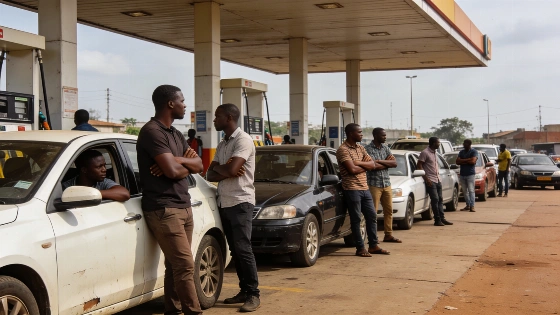
Petrol suppliers in Nigeria now face a new hurdle. The government wants to cap the ex-gantry price at 1,350 naira per litre, aiming to keep pump prices steady but shifting the financial risk onto refiners and importers. The move, detailed in a Reuters financial review, targets the landing cost, not the final retail price.
The Nigerian government has announced that select NNPC stations will sell petrol at ₦1,350 per litre for 30 days, prioritising public transport operators during this period.
Tanzania’s central bank left its policy rate at 6.25%. The Democratic Republic of Congo held at 12.5%. Both banks chose to keep inflation expectations anchored, even as global rates and a strong US dollar push up borrowing costs for African governments.
Nigeria’s price cap comes with strings attached. Refiners and importers must swallow any extra costs for now, with the government promising to pay them back if oil prices drop or the naira rebounds. Finance Minister Taiwo Oyedele insists this is not a subsidy or strict price control. Instead, suppliers are expected to front the difference, then recover losses later, according to Voice of Nigeria reporting.
The proposed price ceiling is set to be reviewed monthly, with the government pledging to publish the relevant calculation metrics to ensure transparency.
Across African markets, softer oil prices, steady rates in Tanzania and Congo, and Nigeria’s interventionist fuel policy create a tangled backdrop. Price controls that sidestep market forces rarely hold up for long. Unless Nigeria delivers fast, reliable compensation, the country risks swapping visible price swings for hidden supply gaps. The Guardian Nigeria analysis notes the government frames the cap as a buffer against sharp oil and currency moves, not a permanent fix, and is weighing forward oil sales to give local refineries and buyers more predictability.