
At 4:41 p.m. on Thursday, November 5, the 11 electricity distribution companies had received a combined allocation of 2,926 megawatts. That figure records the load allocated at the time, not how much electricity ultimately reached consumers. A separate report on the supply decline put national-grid generation at about 3,840 MW, down from more than 4,500 MW, and DisCo allocations at 2,926 MW, as Vanguard reported.
Abuja Electricity Distribution Company received 633 MW, about 21.6 per cent of the total. Ibadan DisCo was allocated 391 MW and Port Harcourt DisCo received 320 MW. Benin DisCo got 264 MW; Eko DisCo received 256 MW. Enugu DisCo was allocated 253 MW, slightly more than Ikeja DisCo at 249 MW. Kano DisCo received 173 MW and Kaduna DisCo got 167 MW. Jos DisCo was allocated 146 MW. Yola DisCo received 74 MW, the lowest allocation. Abuja's allocation was more than eight times Yola's.
Consumers in Lagos, Abuja, Ogun, Kwara and Oyo have faced shorter supply hours after recent improvements. Power Minister Joseph Tegbe attributed the latest disruptions to maintenance and operational problems across parts of the electricity value chain. Thermal stations also faced gas shortages, while hydropower plants produced less. The Federal Government cited maintenance and operational problems, gas constraints and reduced hydropower generation, according to a report carried by AllAfrica.
The Nigerian Independent System Operator (NISO) has identified inadequate gas supply and lower water inflows into hydroelectric reservoirs as major constraints on national grid generation. NISO said restricted gas supply limited thermal stations' ability to operate at available capacity. Lower reservoir inflows also reduced hydropower output. Together, the constraints cut the electricity available for distribution, contributing to shorter supply hours and increased load shedding across DisCo networks, as The Guardian Nigeria reported.
Equipment backlog at Apapa
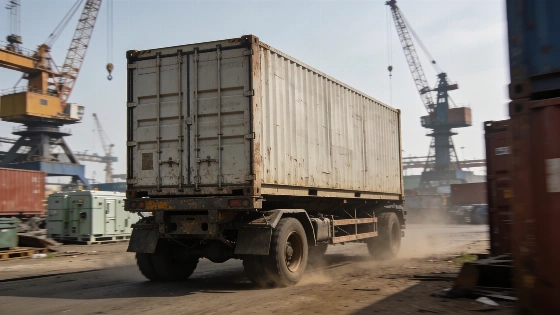
The Federal Government facilitated the release of 44 containers of electricity equipment from Apapa Port on November 6, out of more than 300 containers stranded there. Some had reportedly been held at the port since 2014. The release followed a directive from President Bola Tinubu after the last Federal Executive Council meeting. He instructed the Ministry of Power to work with the Nigeria Customs Service and the Nigerian Ports Authority to resolve outstanding issues. The Guardian Nigeria reported the clearance.
The government's earlier directive to address the port backlog was covered in a port backlog report. Tegbe said the agencies were told to reconcile outstanding charges and facilitate the equipment's release.
Technical experts are to inspect the 44 containers before deployment. Tegbe said serviceable equipment would go to ongoing electricity projects. Unusable items would be disposed of appropriately.
Supply figures and restoration efforts
In a statement issued on Thursday by his Special Adviser on Media and Publicity, Adeola Adelabu, Tegbe said preliminary assessments found no major or systemic failure of the national grid. He said the government was working with the Transmission Company of Nigeria, NISO and electricity distribution companies to address the problems and restore normal supply.
"The Ministry acknowledges the inconvenience this has caused households and businesses, as well as public institutions, and understands the frustration of Nigerians who had begun to see the benefits of steadier supply."
"We recognise what every hour without power means for individuals and families, as well as businesses, and we do not take it lightly," the minister said.
The disruptions coincided with a separate recovery effort by the Niger Delta Power Holding Company under its Managing Director, Jennifer Adighije. The company recovered 110 abandoned containers and 216 packages. The recovery reportedly saved more than ₦30 billion and reportedly helped make about 470 MW of generation capacity available through recovered turbines.








