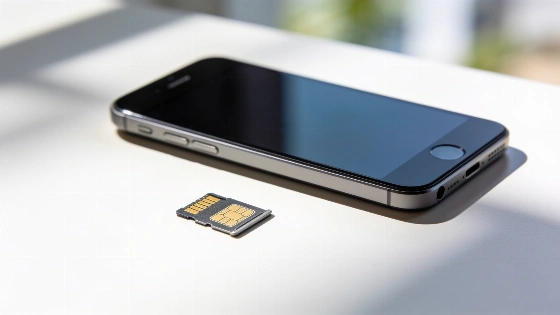
A successful SIM swap generally involves transferring a subscriber's number to another SIM profile, redirecting calls and text messages to that SIM. This can expose accounts that use SMS verification, including one-time codes. The public exchange in this case did not establish that a replacement SIM had been issued or that this had happened.
On Friday, November 20, 2026, Aita (@ekalaita77) tagged Safaricom on X to ask for help. He wrote: "Hello @SafaricomPLC I suspect someone a swapped my sim card? How can I get help?"
Safaricom replied on X by asking him to provide his mobile number, full name, national identification number and year of birth to assist with the complaint. Its response read: "Hi ekalaita77, thank you for reaching out. Share your number, full name, national id number and year of birth for assistance. ^CS,"
What the exchange establishes
In Kenya, mobile numbers can be used to access mobile-money services and verify activity on other accounts. Safaricom's mobile-money business was covered in an earlier M-PESA leadership report; the public exchange offered no evidence about whether this customer's accounts were affected.
A sudden loss of network service or an unexpected SIM replacement alert can be a reason to contact the operator through verified customer-care channels. Unusual activity on accounts linked to the number is another warning sign.
Customers should avoid posting national identification numbers, passwords, PINs or one-time verification codes publicly or sharing them with unverified contacts. The exchange did not establish that a SIM swap occurred or that Aita lost access to his number. Nor did it show that money was stolen. Safaricom provided no further details in the public exchange.