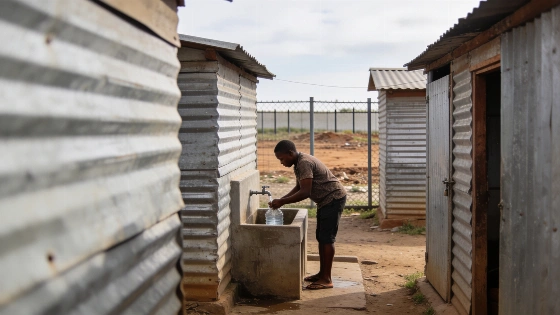
In Barcelona, an informal settlement near land acquired by US-based operator Equinix, many residents rely on communal taps and live in metal homes without piped water or proper sanitation. These conditions sharpen campaigners’ concerns about how new data-centre development could affect communities already facing gaps in basic services.
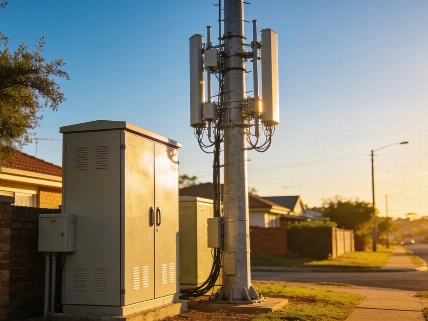
The Housing Assembly movement, British non-profit Foxglove and other organisations have appealed the rezoning of land near Cape Town International Airport, at the King Air Industria site. The City of Cape Town Municipal Planning Tribunal’s land-use approval could permit one or possibly two artificial-intelligence data centres across more than 120,000 square metres, but it does not authorise construction or operation. Equinix, which operates about 280 data centres globally, says it has no immediate plans for the site. The wider question of sustainable expansion has also featured in regional data-centre coverage.
Resource demands and proposed safeguards
South Africa has more than 60 data centres, the highest number in Africa, and demand is rising as artificial intelligence and cloud computing grow. The government is promoting the country as a potential digital gateway to the continent. Campaigners want new developments paused until enforceable, industry-specific rules are in place. Pitso Tsibolane, a lecturer at the University of Cape Town, has argued that rules should require disclosure of electricity and water demand, cooling design and backup generation, as well as cumulative impacts, before approval.
Campaigners warn that a hyperscale facility using conventional evaporative cooling could consume more than 4.4 billion litres of water a year. That is a scenario estimate for traditional cooling, not reported consumption at the proposed Equinix site. Separate projections for the proposed Cape Town facilities put their electricity requirement at approximately 174 megawatts. A 160-megawatt facility operating at full capacity could use about 1.4 billion kilowatt-hours of electricity annually.
Equinix says its facilities use dry cooling to minimise water consumption. Sandile Dube, Managing Director of Equinix South Africa, has described the system as making minimal use of water and said the company’s renewable or “biorenewable” energy initiatives are intended to avoid straining local electricity grids. Digital Technologies Minister Solly Malatsi has said data centres must comply with existing building and environmental laws and prioritise supplying their own electricity and water. South Africa has no dedicated data-centre regulatory structure; the 2024 National Data and Cloud Policy directs operators to comply with general requirements while prioritising self-provision of water and electricity.
ECR reported on the dispute over the proposal and its resource demands. Housing Assembly and allied organisations have also sought a moratorium on new construction until sector-specific requirements address resource disclosure and cumulative impacts.
The rezoning appeal was heard in October 2026. A consultative, non-binding recommendation was expected within 90 days. Equinix has said any future project would follow the planning process and take local community concerns into account.