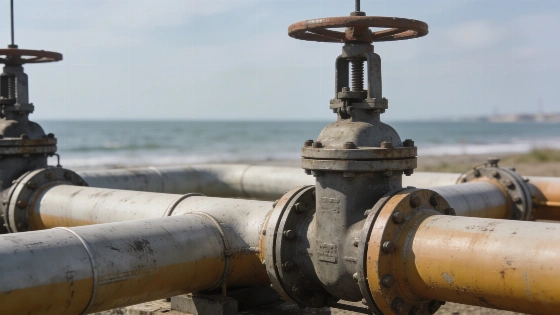
On October 13, 2026, Finance Minister Khamis Mussa Omar told Reuters the government expected to finalise several major investment agreements in the coming months. One is a $42 billion liquefied natural gas development that could strengthen Tanzania’s position as an East African energy hub.
The talks have dragged on for years. Gas discoveries date back to 2010, while serious discussions on commercialising the reserves began in 2016. Officials had expected to sign the host government agreement before June 2026, but that deadline passed. The agreements remain unsigned. Talks on commercial terms are largely complete, as are discussions on tax and revenue sharing. Financing and the construction schedule are still outstanding, according to bne IntelliNews.
Gas exports and domestic supply
Equinor and Shell are leading the project, which is expected to unlock 47.13 trillion cubic feet of offshore natural gas reserves. ExxonMobil and Pavilion Energy are also involved. Medco Energi is another participant, alongside state-owned Tanzania Petroleum Development Corporation, Reuters reported. The proposed complex is planned for the southern coast near Lindi and is estimated to cost $42 billion.
Most of the gas is expected to be liquefied for export. A portion is earmarked for domestic consumption. After the agreements are signed, the project would still need a final investment decision and years of construction before its first LNG cargo.
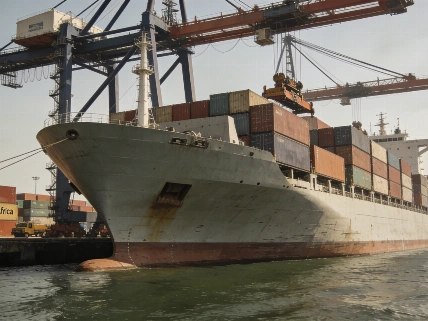
Uganda has a separate plan to begin its first oil exports through Tanzania’s port of Tanga in early 2027. That route and Tanzania’s LNG development involve different resources. They also have separate operators and schedules.
Power ambitions meet a financing push
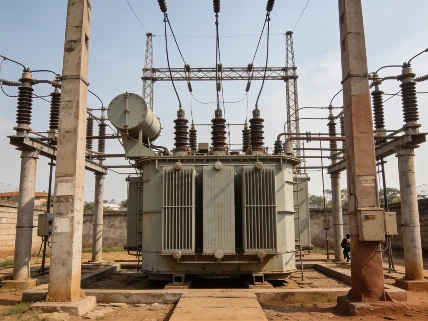
Tanzania aims to nearly double electricity generation capacity to 8,000 megawatts by 2030. It also wants energy it classifies as clean to reach 75%, up from an estimated 61.8%. The target includes hydropower and solar, as well as wind and natural gas. The figures and targets were reported by The Citizen.
The government is seeking international capital for projects that can generate revenue and finance their own operations. Reforms introduced this year widened foreign investors’ access to domestic bonds. The government has also established a sovereign yield curve and encouraged corporate debt issuance.
Tanzania’s effort to attract investors to its domestic debt market comes amid changes in regional finance, including the Nairobi market shift linked to major IPOs and cross-border takeovers. Tanzania has not decided whether to issue an international bond. Its central bank is assessing the risks of greater foreign participation.
Domestic revenue now covers about two-thirds of the government’s 62.3 trillion shilling, or $23.7 billion, budget as foreign development assistance declines. The government was also considering a new International Monetary Fund lending programme, with a decision expected by June. Its previous $1.7 billion programme ended in July.