Borrowers who use loans for purposes other than those intended or miss repayments risk financial difficulty, Bank of Tanzania Governor Emmanuel Tutuba said in Mwanza.
Tutuba said private-sector credit had grown by 33 per cent while non-performing loans had declined to 2.5 per cent. He described the figures as signs of improved financial-sector performance. Separately, a Tanzania-focused financial-system analysis put private-sector credit at 19.1 per cent of GDP in 2025, compared with 13.8 per cent in 2018.
The figures were cited as the Bank of Tanzania Academy signed three cooperation agreements with institutions to broaden financial education. The programmes are intended to reach workers and traders, with entrepreneurs also among the intended groups. The initiative comes amid continuing questions about access to affordable credit for smaller firms, including constraints related to borrowing costs and collateral. A Tanzania Investment and Capital Growth Limited analysis put the overall lending rate at about 15 per cent and the 12-month deposit rate near 9 per cent. It also cited a secured-transactions structure that allows smaller businesses to use movable assets as collateral.
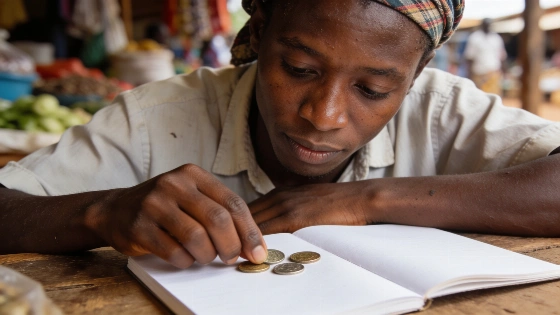
Tutuba said financial literacy can help people manage their income and save regularly. He also urged borrowers to use credit for its intended purpose and repay on time, saying greater awareness of responsible borrowing could support financial-system stability.
Tanzania Revenue Collectors Workers’ Association (TAREW) Secretary-General Michael Marere said limited financial knowledge remained a challenge. He called for basic-bank education programmes to reach more communities and said the TAREW partnership with the Bank of Tanzania Academy would give workers practical guidance on budgeting and savings, alongside borrowing and investment. The focus on household financial skills differs from the infrastructure financing covered in an earlier Ethiopia report.