
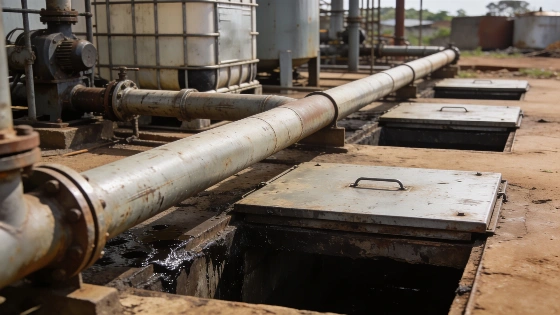
Two underground tanks at the Ogere site contained substances investigators suspect were Automotive Gas Oil, commonly known as diesel. The premises were deserted when EFCC operatives arrived, but investigators reported finding waste products and underground processing tanks. The EFCC said the two tanks contained substances suspected to be AGO; the agency's account did not establish that the material met automotive-diesel specifications.
The Economic and Financial Crimes Commission said its Lagos Zonal Directorate 2 discovered the alleged refinery on Saturday, October 31, 2026, after intelligence gathering and surveillance focused on suspected sludge-oil refining in the area. EFCC spokesperson Dele Oyewale said in a statement issued on Tuesday that the operation came shortly after the commission's crackdown on four illegal lithium-processing plants in Ogere. In that separate operation, on October 23, EFCC operatives reportedly arrested 14 Chinese nationals and one Nigerian, recovering lithium rocks and laptops along with other items.
What investigators say they found
Investigators reported finding waste products and underground tanks believed to have been used to heat and process sludge oil. The EFCC said its preliminary findings pointed to suspected diesel in two tanks, as Punch reported.
According to the commission, sludge oil, also called black sludge, was allegedly transported from Warri in Delta State and Port Harcourt in Rivers State to Ogere. The agency described a process in which intense heat separated lighter petroleum products, which passed through chambers and filtration systems, allegedly producing diesel for local distribution. The EFCC's account of the operation and the alleged supply route was reported by Vanguard.
Workers at the facility reportedly told the EFCC that the Chinese operators had not disclosed their identities or the company behind the operation. The allegations remain under investigation.
Nigeria's refining sector also includes documented commercial activity: a report on refinery cargo tracked flows linked to the Dangote refinery at Nigerian ports, a separate context from the allegations in Ogere. Separately, the Nigerian Midstream and Downstream Petroleum Regulatory Authority put domestic crude-refining capacity at 682,000 barrels per day in 2026, up from 5,000 barrels per day in 2021, a reported increase of 13,540 percent.
Investigation continues
The EFCC has taken control of the premises as investigators work to identify the alleged operators and establish who owns the property, while assessing the extent of the suspected activity. The takeover is an investigative measure, and the commission said its inquiry was continuing into suspected illegal activity and economic sabotage, Nairametrics reported. The commission said the operation formed part of its efforts to combat economic sabotage and illegal exploitation of Nigeria's natural resources.








