
Stanbic Bank’s Purchasing Managers’ Index fell to 46.6 in May, signalling contraction. It recovered to 50.0 in June as business conditions stabilised. The shift shows the strain behind the growth figures: output advanced while businesses faced pressure on orders and operating costs. Consumer demand also weakened.
Gross domestic product expanded by 5.1% in the second quarter of 2026, covering April to June, up from 4.9% in the same quarter a year earlier, according to the Kenya National Bureau of Statistics (KNBS). Released on October 16, the data showed growth slowing from 5.3% in the first quarter. On a seasonally adjusted basis, the economy grew 1.2% quarter on quarter, following a 1.3% increase in the previous quarter. It was the fastest second-quarter growth since 2023, Nation Africa reported.
Power and transport lead sector gains
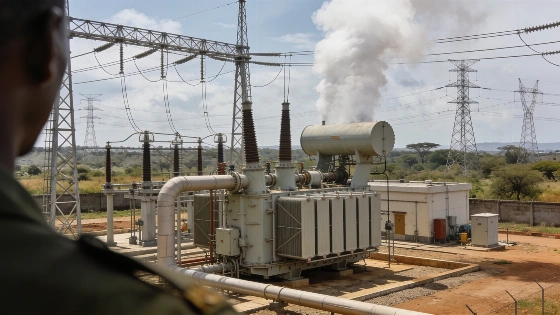
Electricity and water supply grew 7.7%, compared with 6.5% a year earlier. Electricity sales rose 15% to 3.51 billion kilowatt-hours. Geothermal generation increased 10.1%, while wind generation rose 13.5%. Thermal generation fell 16.3%.
Transport and storage growth reached 4.4%, up from 3.3%. Freight carried by the Standard Gauge Railway increased 17.7% to 2.05 million tonnes. Cargo handled through Mombasa Port rose 5%.
Information and communication expanded 7.2%, against 5.9% a year earlier, as internet and voice traffic grew. Utilised international bandwidth jumped 42%. Domestic SMS traffic fell 7.4% as internet-based messaging gained ground. Financial and insurance activities grew 6.1%, while construction rose 6.0%, according to KNBS sector data.
Manufacturing growth improved to 2.2% from 1.3%. Cement output climbed 10.5% to 2.73 million tonnes, helping support the sector. Sugar production nearly doubled to 211,800 tonnes. Higher steel-related production also contributed.
Energy shock meets slower agriculture
Agriculture slowed to 3.5% from 4.0% after the early end of the long rains. KNBS said the quarter was marked by disruption and uncertainty in global energy markets, along with the early cessation of the long rains. Tea production still rose 11.1%. Milk intake by processors declined 3.1%.
Accommodation and food services growth eased to 7.4% from 12.8%, despite a 1.4% rise in international visitor arrivals through Kenya’s two main airports.
Average crude oil prices surged 54.9% to US$104.45 per barrel, compared with US$67.44 a year earlier. Average diesel prices rose 32% to KSh217.80 per litre, from KSh165.10. Average inflation accelerated to 6.23% from 3.89%, driven mainly by food and transport costs. Reports linked the oil-market disruption and uncertainty to the conflict involving Iran. Kenya’s price pressures and borrowing conditions also echo themes in Ethiopia’s reform debate, though the two economies face distinct circumstances.
Lower borrowing costs offered some relief. The Central Bank Rate stood at 8.75% in June, down from 9.75% a year earlier. Average commercial bank lending rates declined to 14.37% from 15.28%.
The Central Bank of Kenya (CBK) expects growth of 5.0% in 2026. Elevated energy costs and inflation remain risks to the outlook.








