
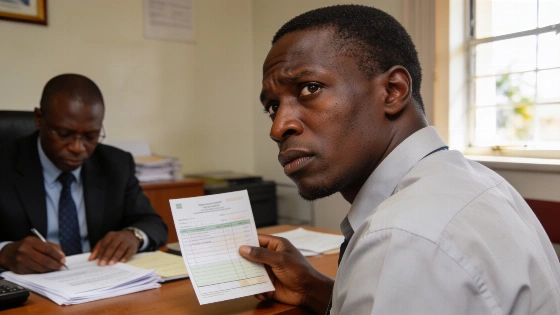
By June 2026, salary arrears and unremitted deductions across Kenya’s county governments had topped Ksh100.24 billion, drawing pressure on governors from workers and lawmakers. The growing backlog includes statutory deductions that were withheld or redirected, putting workers’ retirement benefits at risk.
Controller of Budget Margaret Nyakang’o told the Senate Labour Committee that the problem extends beyond late pay. A new automated remittance system, due to go live on 1 July 2026, links IFMIS with the Central Bank of Kenya’s platform and will transfer future deductions directly during payroll runs. The old debts remain. Nairobi County alone accounts for Ksh85.78 billion in county executive salary arrears, including Ksh49 billion overdue for more than three years, The Star reported.
Nyakang’o has cited late budget filings and missing paperwork as recurring causes of salary delays. Counties often miss budget approval steps, blocking spending requests in IFMIS. Some budgets also lack basic documents, including pending bill payment plans that the Controller’s office needs to approve spending. These gaps have deepened the cash crunch, leaving workers exposed and retirement plans in limbo.
Pension liabilities have ballooned. Retirement Benefits Authority CEO Charles Machira put county pension debt at Ksh118.8 billion, including Ksh17.7 billion in principal. Penalties account for Ksh99.1 billion, while the actuarial deficit stands at Ksh2 billion. When counties deduct pension contributions from pay but fail to remit them, workers lose out and the pension system takes a hit. The 2026 RBA assessment called these liabilities a critical threat to Kenya’s public sector.
Senators have demanded county-by-county repayment plans and greater transparency from local officials. They want the National Treasury and Council of Governors at the next round of talks, with clear commitments on the record. County governments also had Ksh172.53 billion in pending bills as of June 30, 2026. The Controller of Budget has directed counties to prioritize settling verified trade obligations in their 2026/27 budgets, The Star reported.
Automated systems may prevent new arrears, but old debts and missed remittances remain unresolved.








