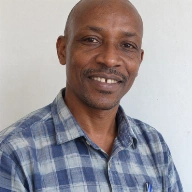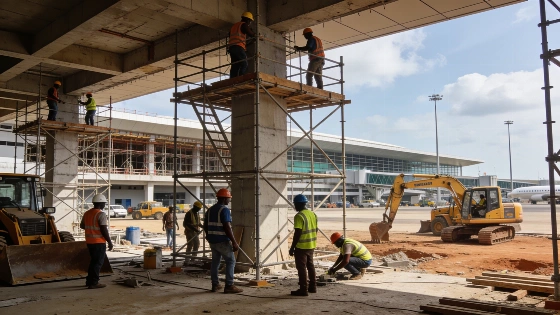
Work at Lagos’ Murtala Muhammed International Airport is moving fast. The $500 million budget comes from money saved after Nigeria scrapped its oil subsidy. Minister of Aviation and Aerospace Development Festus Keyamo says this is a turning point for how the country pays for major infrastructure.
The Lagos airport reconstruction project, valued at ₦712.26 billion (about $535 million), was approved by Nigeria's Federal Executive Council in July 2025 with a 22-month completion timeline.
From subsidy drain to infrastructure drive
For years, oil money vanished into petrol subsidies and foreign exchange fixes. Airports and other key sites fell apart. Keyamo was blunt: the old system left Nigeria unable to fix or build. Now, with subsidy savings boosting reserves, the government is pushing ahead. Lagos’ main international terminal is getting a full overhaul. Runways in Kano, Port Harcourt, and Akure are also being rebuilt.
A Rio Times project report says the Lagos airport upgrade means stripping the old international terminal (MMIA) down to its frame. All mechanical and electrical systems will be new. The second terminal will get a new apron, access roads, and bridges. China Civil Engineering Construction Corporation (CCECC) is leading the work. They also built the airport’s new terminal before.
The minister says the Lagos project has already created thousands of jobs. Over 2,000 Nigerians, including welders and plumbers, are working on site. This is backed up by a Daily Trust workforce update. Keyamo links these jobs to a bigger goal: steady economic growth built on infrastructure and a stronger private sector.
Policy reforms and sector resilience
The funding for the Lagos airport reconstruction was approved under the Renewed Hope Infrastructure Development Fund, not through new borrowing. As of August 2025, the total value of approved aviation infrastructure projects in Nigeria was estimated at approximately ₦987 billion.
There are also plans to extend the Lagos Red Line rail. The new route will link Ikeja, the General Aviation Terminal, and the new international terminal. Keyamo calls the government’s Renewed Hope Agenda a plan built on infrastructure, smart policies, and training. The aim is clear. Nigeria wants to be a top aviation hub.
At the event, Keyamo praised Aero Contractors for lasting 67 years. He called the airline a survivor in a tough industry. Many others have failed. He urged other airlines to learn from Aero’s grit.
Aero Contractors’ legacy and industry warning
Aero Contractors’ Managing Director, Capt. Ado Sanusi, spoke at the same event. He wants the Renewed Hope Agenda to focus even more on aviation. Sanusi says air transport drives growth, tourism, trade, jobs, and foreign investment. He told the story of Aero’s rise from a small charter in 1959 to Nigeria’s oldest scheduled airline. He pointed to milestones like the first local C-check on a Boeing 737 in West and Central Africa.
Sanusi credits the airline’s survival to its staff. They stuck with the company through grounded planes and tough times. He asked for Aero Contractors to be seen as a national asset. Sanusi warned that without a clear plan, Nigeria could fall behind. Other countries are building new mega-airports and maintenance centers aimed at Nigerian travelers. At the anniversary, Aero showed off new Maintenance and Repair Overhaul equipment. The airline wants to keep supporting regional aviation.
Nigeria’s switch from subsidy spending to targeted investment is already changing aviation. The government is putting real savings into real projects. That means new jobs and visible results. But Sanusi and others say the push must continue. If not, Nigeria’s airports could lag behind as the region modernizes. The real test is coming. Can this new approach build not just better terminals, but a strong, competitive aviation industry for the future?