
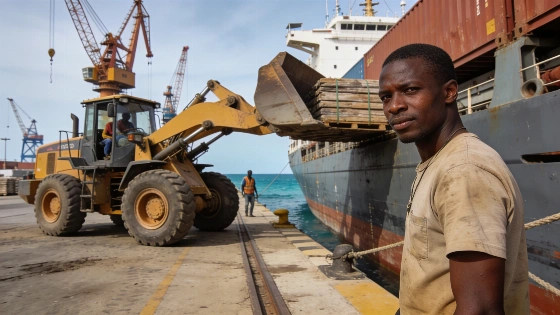
The proposed refinery is expected to begin operations in early 2030, after an estimated 40-month construction period. Equipment mobilisation is now under way, with a second shipment arriving at Lamu Port. The project was officially launched on September 30, 2026, by Kenyan President William Ruto and Dangote Group founder Aliko Dangote.
The Lamu Port-South Sudan-Ethiopia Transport Corridor Development Authority announced on October 19, 2026, that more than 154 pieces of assorted construction equipment had arrived for the Dangote East African Oil Refinery Project. The authority said the delivery showed Lamu Port’s capacity to handle cargo for major regional investments.
“We are proud to announce the arrival of the second batch of over 154 assorted construction equipment for the Dangote East African Oil Refinery Project at Lamu Port,” read the statement dated October 19, 2026, in part. The arrival marks a step in the mobilisation of construction resources following the September groundbreaking.
Refinery plans and project scale
The latest consignment follows an earlier delivery in late September. The vessel MV Da Yang brought about 2,930 metric tonnes of construction equipment and materials from China ahead of the project’s groundbreaking ceremony.
The planned facility is designed to process 700,000 barrels of crude oil per day, a capacity comparable to Dangote’s operating refinery in Lekki, Nigeria. Its wider complex is expected to include a power plant with capacity of about 1,000 megawatts, alongside fertiliser production and petrochemical units. The project is valued at Ksh2.08 trillion; independent estimates put the investment at more than US$16 billion, or about Ksh2.2 trillion. It is projected to create up to 60,000 direct and indirect jobs during construction and operations, according to The Star Kenya.
Crude is expected to come from Kenya’s Lokichar oilfields, neighbouring countries and international markets. Potential regional suppliers include South Sudan and Uganda, while the wider supply mix could also include oil from other international sources. Regional governments have also been offered equity stakes. The refinery is intended to supply petroleum products to Kenya and neighbouring markets and reduce reliance on imported petroleum products following the closure of the Mombasa refinery. The Lowy Institute’s analysis describes the project as a major investment outside Nigeria, with completion targeted around 2030.
Port logistics and regional links
Lamu’s role in handling project cargo follows other significant activity at the port. Its largest container vessel call to date was covered in an earlier port report, which said the MV Hamouna unloaded 5,200 TEUs.
The refinery is part of the wider LAPSSET Corridor, intended to connect Kenya with South Sudan and Ethiopia through transport and other infrastructure. Its delivery will depend on continued equipment arrivals and financing, as well as the completion of regulatory and logistical processes. On October 14, Kenya’s High Court in Malindi lifted an interim restriction on work at the refinery site after finding that the applicants had identified the wrong parcel of land. The land and environmental issues remain under consideration, and the ruling allowed preparatory work to proceed while the case continues, BusinessDay reported.
On October 12, National Assembly Majority Leader Kimani Ichung’wah led a parliamentary delegation to Dangote’s operating refinery and petrochemical complex in Nigeria’s Lekki Free Zone. Minority Leader Junet Mohammed was among the delegation, which toured the refinery, fertiliser plant and private port. Ichung’wah said the visit offered an opportunity to examine the scale of investment planned for Kenya.
The Nigerian complex has a design capacity of 650,000 barrels per day, though it is often reported at 700,000 barrels. It produces petrol and diesel alongside jet fuel and petrochemical products. Expansion plans target capacity of 1.4 million barrels per day by 2029.








