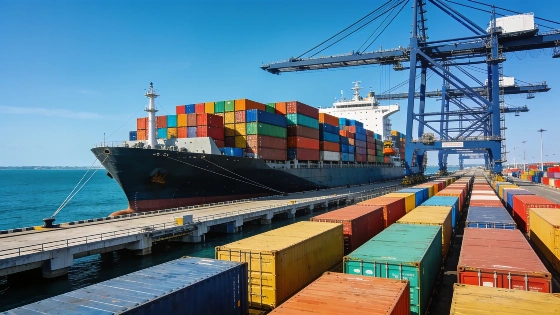
Consignments with Import Declaration Forms secured before 1 November have been caught in customs blocks, according to the Shippers Council of Eastern Africa (SCEA). The disruption is adding costs for cargo owners at the Port of Mombasa.
Under the rules, which took effect on 1 November 2026, the Kenya Revenue Authority (KRA) blocks customs clearance for consignments without valid digital marine cargo insurance certificates from locally licensed insurers. The requirement was set out in a public notice dated 22 October 2026 by the Commissioner for Customs and Border Control, in collaboration with the Insurance Regulatory Authority (IRA). Certificates must be generated through the Digital Marine Cargo Insurance System and sent to KRA's Integrated Customs Management System (iCMS) before importers can lodge customs declarations. KRA also requires a matching digital insurance record in its customs system; possession of a policy alone will not release a blocked declaration. Kenya's local-insurance requirement has been on the regulatory agenda since 2017, while the current system makes electronic verification a condition of clearance, as Global Customs Compliance reported.
The system has left some earlier paperwork unusable. SCEA has also objected to applying the process to shipments that arrived before 1 November, arguing that cargo already in transit or covered by existing policies should not have to obtain fresh insurance.
Enforcement exposes system gaps
In a submission to the Insurance Regulatory Authority dated 12 November 2026, SCEA listed 20 areas of concern. It said unresolved system failures and unclear transition arrangements were exposing businesses to delays and higher import costs. The council proposed a one-month pilot before full enforcement and called for an implementation team involving KRA, IRA, the Kenya Ports Authority, insurers, brokers, importers and customs agents.
Forms secured before the new rules took effect cannot always be used to generate insurance certificates. SCEA said the KRA system blocks entries without digital insurance, while older forms cannot be retrieved through the Kenya International Freight and Warehousing Association portal. The council also asked IRA to explain the legal and operational basis for a 15 percent Import Declaration Form conversion fee, along with how it is calculated and justified.
"The implementation is causing serious challenges, and there is a need for a temporary stop to allow further consultations and address the various gaps, to aid better compliance and implementation," said Agayo Ogambi, chief executive officer of SCEA. "As it is currently, businesses are struggling with serious delays and increasing costs of storage."
Ogambi said SCEA estimated a daily reduction in revenue collections of between 50 percent and 60 percent. Cargo owners also face port storage charges and demurrage costs from shipping lines. SCEA said some importers had paid through eCitizen, bank transfers or M-Pesa but still could not see certificates in the customs system. A report on 18 November also cited platform instability, incomplete onboarding of insurers and brokers, payment-reconciliation failures and weak integration with customs as bottlenecks, as Breaking Kenya News reported. A Nigeria port report covered a separate call for seven-day cargo clearance.
Insurer access and operating costs
Tom Gichuhi, CEO of the Association of Kenya Insurers, said some providers had not been onboarded to the integrated system. He also reported outages among insurers that had joined.
"Local insurance companies are not fully onboarded onto the system. Even those ones who are onboarded onto the system, there are times they are experiencing downtime," he said. "You cannot afford to have downtime for an important service like that."
SCEA also cited system integration failures and unclear premium calculations. Its other concerns include duplicate insurance costs, limited payment options, inadequate claims-paying capacity, delays in processing exemptions, policy cancellations and refunds, and a lack of clear transition guidelines. Importers whose overseas sellers arrange insurance under CIF or CIP contracts may also need local cover to meet the digital system's requirements, potentially resulting in duplicated insurance costs.
Importers and clearing agents were calling for a pause in full enforcement by mid-November. The EastAfrican reported on 17 November that SCEA's concerns included system failures, transition delays and higher costs. The council asked for consultations and corrective action, rather than a permanent repeal of the requirement.