
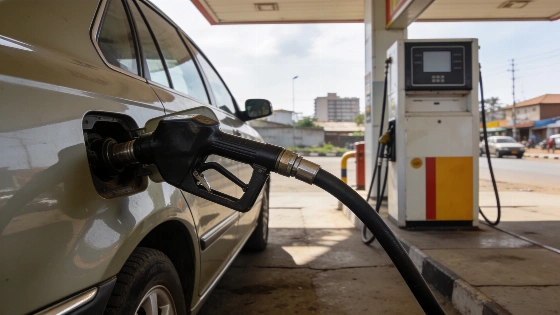
Motorists in Nairobi are paying Ksh226.96 per litre for super petrol in the current pricing cycle, which runs from October 15 to November 14. Diesel costs Ksh227.76 per litre. Kerosene is Ksh219.87.
Those prices followed increases in the previous review. Super petrol rose by Ksh12.93 per litre, while diesel rose by Ksh9.90. Kerosene increased by Ksh28.49, reflecting higher international landed costs recorded in September.
Crude costs and the shilling
Murban crude oil prices fell to Ksh12,224.44 per barrel on November 5 from Ksh14,354.60 on October 29. The Central Bank of Kenya (CBK) Weekly Bulletin, released on November 6, also reported a fall in the dollar price from USD 110.46 to USD 94.04 per barrel. The decline was nearly 15%. The CBK also publishes the Kenya Financial Sector Stability Report 2025, posted on November 6, 2026.
The bulletin linked the drop to the US mid-term elections and expectations of a lower risk of disruption to oil supplies from the Middle East. The move may ease pressure on imported fuel costs, although the pump-price calculation depends on landed costs across the assessment period.
The shilling was unchanged at Ksh129.96 against the US dollar on November 5 compared with October 29. Foreign exchange reserves were US$14.699 billion, equal to 5.9 months of import cover and above the statutory minimum of four months. That figure is slightly above the USD14.689 billion reported on October 15 in an earlier reserves report.
Commercial banks held average excess reserves of Ksh31.9 billion above the 3.25% Cash Reserve Ratio requirement. The Kenya Shilling Overnight Interbank Average (KESONIA) remained at 8.75%.
Fund use remains a factor
Treasury Cabinet Secretary John Mbadi has previously said the government intends to use the Petroleum Development Levy stabilisation fund during the November review to cushion consumers. The government conserved the fund during the previous review amid concerns about winter demand in Europe and the West.
The Energy and Petroleum Regulatory Authority (EPRA) will set maximum retail prices for November 15 to December 14. Any reduction will depend on average landed fuel costs during the assessment period and the government's decision on the fund. EPRA is expected to announce the prices before the current cycle expires on November 14.








