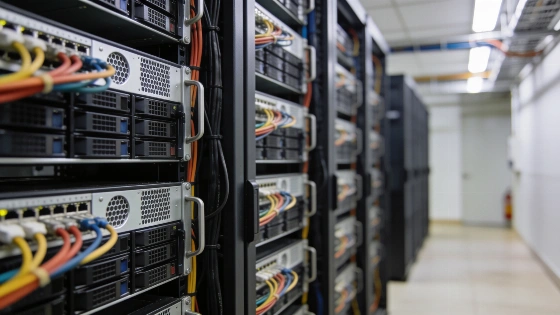
Cassava's programme would deploy 12,000 Nvidia graphics processing units across South Africa, Nigeria, Kenya, Egypt and Morocco. About 3,000 are assigned to the initial South African phase near Cape Town, where the first AI-factory phase was reported to be operating. Cassava founder Strive Masiyiwa said in November 2025 that the company had bought and transported all 12,000 processors. The programme was announced in March 2025, but acquiring hardware is distinct from completing deployment across all five markets.
Nvidia's leadership change has drawn attention to the project because the chipmaker supplies Cassava's GPUs and is also an investor in the company. Cassava is Nvidia's first cloud partner headquartered in Africa. However, neither company has announced any change to the African expansion following Huang's departure.
A leadership contest with no board decision
Huang resigned as Nvidia's president, chief executive and director with immediate effect on 12 November, after 33 years leading the chipmaker he co-founded. Nvidia announced that Colette Kress, its executive vice president and chief financial officer since 2013, would serve as interim CEO while retaining her CFO responsibilities. The board said it would consider internal and external candidates for a permanent successor. Nvidia's announcement said customer commitments, operations and its product roadmap would continue without interruption.
By November 16, more than 165,000 people had signed an open letter calling for Huang's reinstatement. More than 7,500 signatories identified themselves as Nvidia employees, although these affiliations were self-reported and had not been independently verified. Elon Musk said on X that he would sign the petition. Support also came from Epic Games founder Tim Sweeney, Y Combinator president Garry Tan and former Uber chief executive Travis Kalanick.
The Financial Times reported that Huang had discussed a possible return with people close to him, in an account later carried by Reuters. An ally told the newspaper that supporters were assembling Silicon Valley executives to lobby Nvidia and seek White House support. The company has not publicly confirmed that its board is considering reinstating Huang.
The petition calls for Huang's return while an independent investigation establishes the facts surrounding the controversy. Reuters reported allegations concerning Huang's personal relationships, including one involving a woman whom US authorities reportedly suspected of having links to Chinese intelligence. The reports raised questions in Washington about national security and compliance with restrictions on advanced chip exports to China. Those allegations do not establish an export-control violation or a problem with Nvidia's African partnerships. US Treasury Secretary Scott Bessent has opposed Huang's return and called for leadership from outside the company.
Huang's departure followed reports about the allegations, but Nvidia's announcement did not publicly attribute his resignation to them.
What the African expansion involves
Bloomberg estimated that Cassava's programme could require up to $720 million, including the cost of GPUs and the wider infrastructure needed to operate them. This is a potential investment requirement, not money already spent across the five countries.
The planned facilities are intended to let African companies, governments, researchers and technology developers train and run AI systems using computing capacity on the continent. Their eventual reach will depend on implementation; no African partner has announced a delay or cancellation linked to Huang's departure.
Egypt is also part of the expansion. Vodafone Business and Cassava are developing a sovereign AI data centre using Nvidia technology. The wider Africa Data Centres Egypt project, involving Vodafone Business, Cassava and Elsewedy Electric, is expected to begin with 20 megawatts of capacity during its first three years and could scale to 200 megawatts. Egypt's communications ministry said the broader development could attract about $200 million in its first phase, rising to $1 billion if completed, and could create 200 direct and 2,000 indirect jobs. Those figures refer to the wider data-centre project, not solely to Nvidia hardware or the AI facility.
South Africa's digital policy landscape includes a separate dispute over telecom ownership rules, which Telkom has challenged.