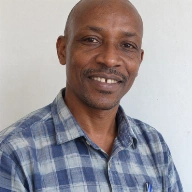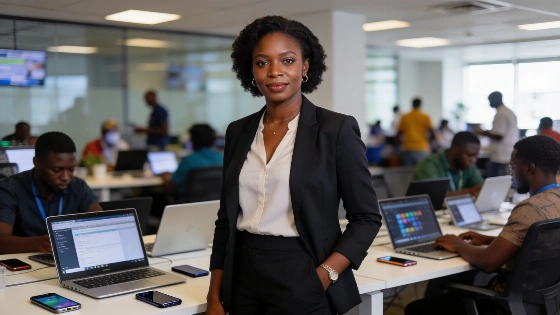
Reni Onafeko is now officially in charge at Glovo Nigeria. The company ended months of interim leadership by naming her country managing director. This is not a routine shuffle. Glovo is betting big on Nigeria. The company has already put more than 54 billion naira into the country’s digital economy, according to The Nation. That’s a huge investment in digital infrastructure.
Glovo reported that the economic value created for businesses operating through its platform in Nigeria more than doubled over the past year.
Glovo’s growth strategy and market impact
With Onafeko at the helm, Glovo doubled its network of partner restaurants and shops in Nigeria in the last year. Partners saw more value. Over 6,000 independent riders now earn through the platform each year. That’s a big step for the on-demand economy. Glovo’s reach covers Lagos, Abuja, Port Harcourt, and Ibadan. The company is pushing deeper into cities where digital commerce is booming. Nigeria is now Glovo’s fastest-growing market out of 21 countries, according to The Nation. Glovo also leads in delivery speed among local apps.
In 2026, Glovo hosted its second annual Future of Commerce Summit in Nigeria, bringing together leaders from Chicken Republic, Burger King, The Place, and local SMEs to discuss the evolution of the country’s partner and commercial infrastructure.
Leadership credentials and sector context
Before Glovo, Onafeko spent eight years in consulting. She worked at Boston Consulting Group in London. There, she advised top executives and investors on deals, growth, and business transformation across several industries. She holds a BSc in Economics from the London School of Economics and Political Science (LSE). That adds academic weight to her hands-on skills.
With Onafeko now confirmed, Glovo’s Nigerian arm has stable leadership. The company is set to dig even deeper into the country’s digital economy. Its investment and fast-growing partner and rider networks show Glovo’s drive to shape on-demand services in Nigeria. This is more than a staffing change. Glovo is betting on local leadership and homegrown talent to power growth in one of Africa’s toughest tech markets. Dima Rasnovsky, Glovo’s Africa Director, has restated the company’s faith in Nigeria’s future and its promise to keep building the ecosystem for customers, partners, and couriers.