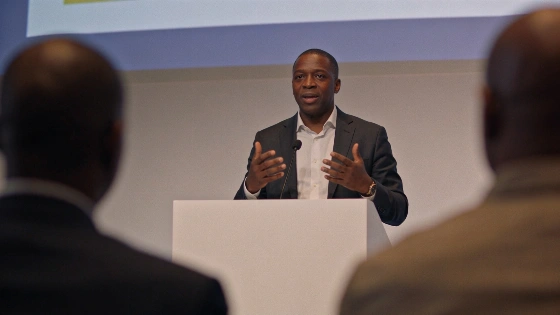
At NH Johannesburg Sandton on 15 October, the Connected Africa Summit looked at the practical task of shifting telecom networks towards digital platforms. Tether joined as Gold Sponsor, connecting its payments business with discussions about financial inclusion across the continent.
Tether’s Head of Regional Expansion, Matt Crow, delivered the keynote “Beyond Correspondent Banking: The History and Future of Stablecoins” and joined the executive panel “Building Inclusive Digital Ecosystems Across Africa.” The 7th Edition of the summit brought together regulators and telecom operators, alongside companies working across infrastructure and technology.
Stablecoins and the infrastructure agenda
Tether is the company behind USDT, the world’s most widely used stablecoin. In May 2026, it announced a strategic expansion into gold-backed assets and payment infrastructure, while also moving into artificial intelligence and compliance. The Bank for International Settlements frames stablecoins as one of several competing rails for cross-border payments. Banks and fintechs offer other options, and the BIS notes that such payments remain slow and expensive despite decades of improvements in digital financial infrastructure.
The company’s African activity includes investment in MANSA, which serves clients based in Africa, and in Shiga Digital. It has also run a Bitcoin mining programme with African links and invested in LemFi to expand USDT remittances across Africa and Asia. In Zanzibar, Tether is advancing blockchain education and has expressed interest in integrating USDT and XAUT into the local payments system, ZanMalipo.
Other initiatives include work with HoneyCoin to expand stablecoin access across Africa, as well as a joint initiative with the United Nations to safeguard the continent’s digital economy. USDT usage in African markets grew 18.6% year on year in 2025, information from coverage of the Accra Stablecoin Conference 2026, where Tether was also a lead sponsor.
Networks and delivery models
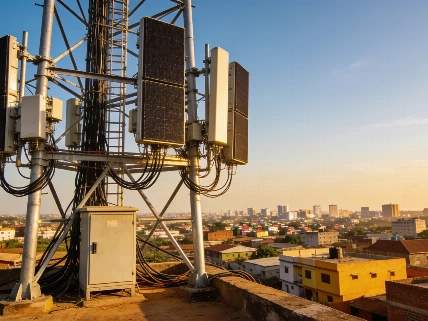
The summit’s theme was “Driving Africa’s Telecom Shift to Digital Platforms and Next-Gen Infrastructure.” Its programme examined the partnerships and execution models needed as operators move beyond network provision. The shift is tied to 5G and fibre, as well as cloud infrastructure. The programme also covered cybersecurity and digital identity, alongside fintech-telco convergence.
The discussion also has a network-performance dimension, covered in earlier capacity reporting on telecom tests. Past editions of Connected Africa have drawn more than 10,200 delegates and over 1,900 organisations, from 18 or more countries. Organisers also report 470-plus strategic partnerships and 600-plus structured B2B engagements across those editions.