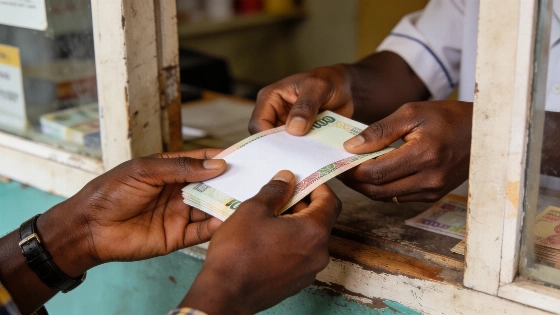
On October 12, the shilling traded at around 4,090 to 4,100 per dollar, more than 11% lower than at the start of the year and at a multi-decade low, according to Independent Uganda’s currency report. The central bank says foreign-exchange reserves rose 56% to $6.7 billion in the year to June. That larger buffer gives Uganda more capacity to pay for imports, but it has not put a floor under the currency.
Uganda’s goods trade deficit excluding gold reached $1.4 billion in April–June, the largest quarterly figure since records began; the full-year deficit was $3.4 billion.
Reserves remain short of the target
Uganda’s reserves now cover 3.7 months of future imports, up from the previous level but still below the central bank’s four-month goal. The stockpile can pay for essential imports and help manage periods when dollars run short. A separate estimate attributed to the IMF by Business Insider Africa put reserves at about $6 billion, with import cover of roughly 2.7 months. That report linked pressure on the shilling to foreign-capital outflows and investors chasing higher dollar returns.
President Yoweri Museveni opposed selling foreign-exchange reserves to support the shilling, arguing that dollars should not be spent financing imports such as wigs and perfumes.
Gold and coffee generated around 70% of Uganda’s merchandise-export receipts in the latest financial year. A substantial share of reported gold exports, however, is re-exports rather than evidence of increased domestic production.
The central bank’s three-year pilot buys domestically produced gold using shillings. The IMF has flagged price volatility as a risk. Storage is another concern. The risks also include origin tracking. Anti-money-laundering controls and customer identification procedures are part of the concerns discussed by The Observer.
Currency weakness can raise household costs
When the shilling loses value, goods and services priced in dollars cost more in local currency. Fuel and medicines are among the household expenses exposed to that pass-through. Reserves can reduce the risk of a sharper squeeze on import payments, but they do not remove the effect of a weaker exchange rate.
Uganda’s currency and reserve position sit within a wider East African financial landscape. Nairobi’s growing role in regional capital markets is covered in this regional markets report. The developments are distinct, but financial conditions across the region matter to investors and businesses.
The Bank of Uganda plans to keep buying gold into the 2026/27 financial year and through the fiscal year ending June 2027 as it diversifies its reserves.