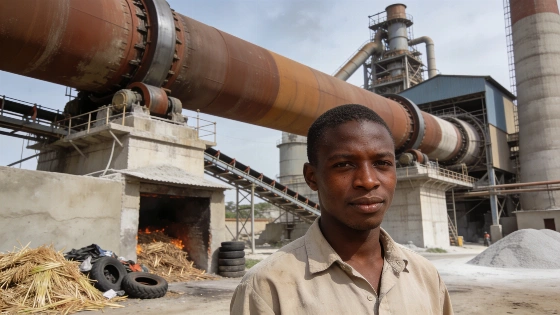
Bamburi Cement has signed a US$250 million engineering, procurement and construction contract with China's Sinoma CBMI Construction Co. Ltd for a clinkerisation plant in Matuga, Kwale County. The turnkey facility is designed to produce 1.6 million tonnes of clinker annually, using technologies intended to improve efficiency and cut environmental impact.
Alongside that expansion, the company is seeking policy support for lower-carbon cement. On November 4, 2026, Sustainability and Corporate Affairs Director Eng. Jane Wangari raised the proposal during the Green Industrialisation and Manufacturing Panel at the Kenya Industrialisation Summit 2026, organised by the Ministry of Investments, Trade and Industry and officially opened by President William Ruto. Summit coverage reported her call for wider adoption of lower-emissions cement.
Bamburi wants public tenders to give higher scores to construction bids using cement with lower verified emissions. Wangari also urged recognition of low-carbon cement in the Central Bank of Kenya's Green Finance Taxonomy, which classifies activities eligible for sustainable finance. The company has called for independently verified Environmental Product Declarations (EPDs), giving buyers standardised environmental information to compare products. Wangari likened an EPD to a "nutrition label" for cement. These remain proposals, rather than adopted procurement or taxonomy rules.
DuraCem's emissions claim
Bamburi is promoting DuraCem, a locally manufactured 42.5-grade cement for large-scale and marine construction. It is marketed as resistant to sulphates and chlorides, and is made using alternative fuels such as rice husks and waste tyres.
The company says DuraCem produces 64 per cent less carbon dioxide than ordinary Portland cement. Another report put the claimed reduction at about 25 kilograms of CO₂ per 50-kilogram bag. Bamburi has also attributed more than 10 million kilogrammes of avoided carbon dioxide to DuraCem's use on Makupa Bridge in Mombasa. Wider uptake will depend on procurement standards and financing. Customer demand will matter too.
Capacity and potential demand
Bamburi plans to increase clinker capacity from one million tonnes to 2.6 million tonnes a year, while cement capacity is projected to rise from 1.8 million tonnes to four million tonnes annually. The Matuga plant would add 1.6 million tonnes of annual clinker capacity to the company's expansion, supporting its stated goal of greater clinker self-sufficiency and expanded regional supply.
The company is pursuing a potential contract to supply more than one million tonnes of cement to the proposed Dangote East Africa Petroleum Refinery and Petrochemical Special Economic Zone in Lamu County. Business Today indicated that no final supply award had been made, leaving the volume a potential opportunity.
Bamburi Cement PLC sells cement and concrete in Kenya and the wider East African market. Its portfolio also includes precast products. Kenya's investment debate extends beyond construction, with a separate youth AI readiness ranking covering another aspect of the country's economic preparedness.