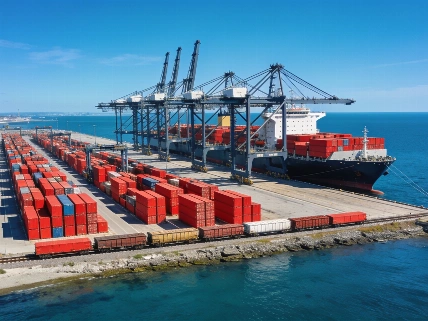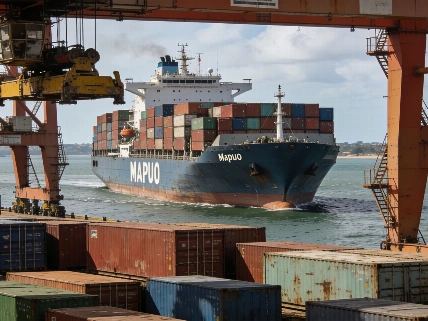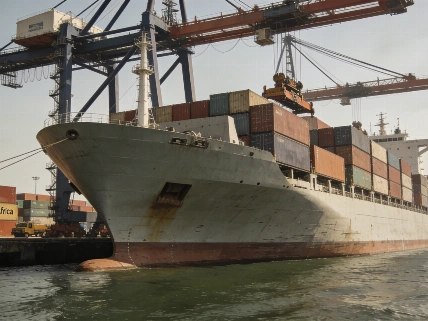
Opening TRANS-LOG MOZ 2026 in Maputo on 4 November, President Daniel Chapo framed the upgrades as a way to strengthen production and industrial activity in northern Mozambique. The forum, held over 4-5 November, brought together government representatives and investors, along with development-finance institutions, infrastructure operators and logistics companies, to discuss corridor projects and financing.
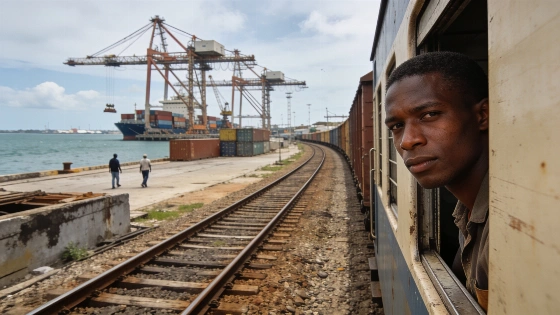
Chapo presented an investment programme of roughly US$7.5bn across the three corridors. About US$4.5bn is associated with rail and port investment in the Nacala corridor in Nampula province, the largest of the stated packages. The plans also include a Special Economic Zone and expanded industrial parks. The government aims to add value, expand industry and create jobs. Nacala's deep-water port is a gateway to a logistics corridor connecting Mozambique with Malawi and Zambia. Separate industrial activity includes a pasta factory being built in Nacala by Merec Industries, intended to serve northern Mozambique and regional export markets, as World Grain reported.
Beira has more than US$1bn in planned investment. The identified projects include modernisation of the Port of Beira and road upgrades, as well as the Dondo Dry Port and the Machipanda One-Stop Border Post. The corridor carries freight towards Zimbabwe and other regional markets.
Transport links and investment
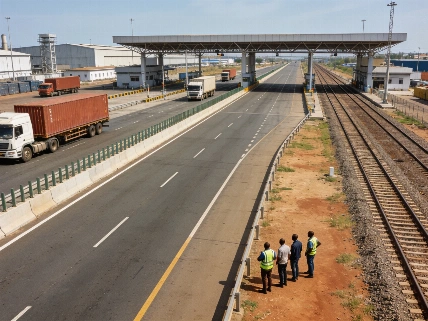
The Maputo corridor package is reported at more than US$2bn and covers modernisation of the Port of Maputo, work on National Road No. 4 and improvements at the Ressano Garcia border crossing with South Africa. The forum agenda also included expansion of the Port of Maputo and opportunities at the Port of Nacala, alongside modernisation of the Ressano Garcia railway line towards South Africa. Chapo outlined the corridor investment figures at the forum, as reported by 360 Angola.
The announcement sets out allocations and intended improvements, including port modernisation and rail rehabilitation, along with work on roads and border infrastructure. Beira's package adds the dry port and border post to that list. The East Container Terminal began operations after its first official container unloading at its inauguration on 31 October, shortly before the forum.
Private capital and regional freight
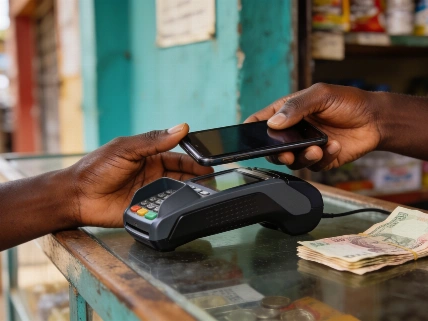
Chapo called for private-sector participation through public-private partnerships and concessions. Build-operate-transfer models were also identified as a way to mobilise investment. Mozambique's legal framework provides for PPPs and BOT arrangements, as well as concessions, as investment structures. He said infrastructure upgrades should go hand in hand with institutional reform, simpler administrative procedures and greater transparency, alongside digitalisation of public and private services.
The three corridors link Mozambique's seaports with inland markets across Southern and southeastern Africa, serving South Africa and Zimbabwe, as well as Malawi, Zambia and the Democratic Republic of Congo. Hélder Nhabinde, executive secretary of the Confederation of Economic Associations of Mozambique, said the routes also serve neighbouring and landlocked countries. Chapo urged institutions to use the corridors to support industrialisation and jobs while reducing costs and bureaucracy. Their regional role extends beyond domestic freight: the routes are intended to move imports and exports through connected port, road, rail and border infrastructure.
South African export-credit support has included the Port of Maputo expansion and the Nacala Rail Corridor. The Export Credit Insurance Corporation of South Africa reported a portfolio of R33.2bn spanning infrastructure and telecommunications projects, as well as mining and energy projects across Africa.
A separate Maputo container service report covered plans for an AEF5 route from Shanghai that would give Gauteng importers an alternative to Durban. That service is separate from the government corridor programme.