At an energy conference in Cape Town on October 14, 2026, Jim Swartz, managing director for Chevron Nigeria and the Mid-Africa region, told reporters work on Aseng was progressing as planned.
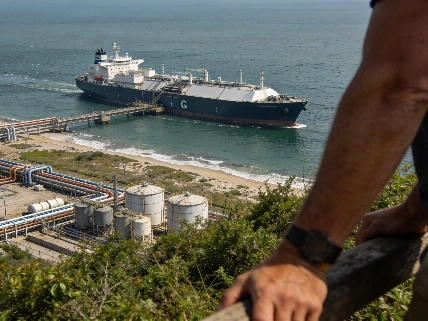
Declining gas output has threatened Equatorial Guinea’s LNG exports. Chevron took a final investment decision on the $690 million development earlier in 2026. Swartz said the company was pleased with the project’s progress. The offshore plan calls for drilling a development well and connecting it to existing infrastructure through a subsea tie-back.
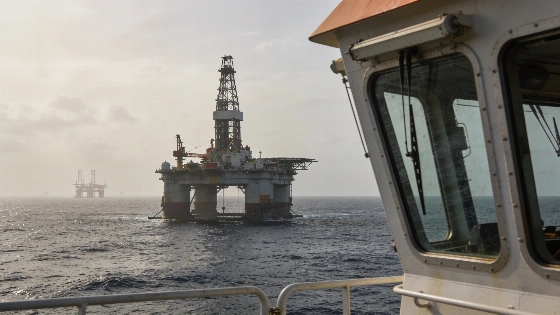
Chevron expects to bring in a drilling rig, likely in early 2027, to drill the well and connect Aseng to existing infrastructure. The tie-back avoids building a standalone production system. Reuters reported the project details.
The 2028 date remains a target, not evidence that production has begun.
Swartz said Chevron expects first gas in 2028. The project is intended to offset declining gas output and support the country’s LNG export chain, Reuters reported.
Chevron is also reviewing data from other prospective blocks in Equatorial Guinea. In February 2026, the company reaffirmed its commitment to develop the Yoyo-Yolanda project, which straddles the maritime border with Cameroon. The project has an estimated resource of 2.5 trillion cubic feet of gas. That is a resource estimate, not a statement of proved recoverable reserves.
Hydrocarbons Minister Antonio Oburu Ondo said the government was negotiating with TotalEnergies and QatarEnergy on two blocks. Talks with ConocoPhillips on developing EG27 are also ongoing. The block was associated with the discontinued Fortuna floating liquefied natural gas project, which had been planned to produce LNG offshore.