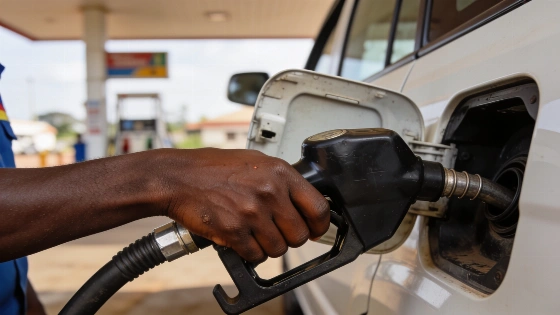
Petrol in Nairobi now costs KSh226.96 per litre after the Energy and Petroleum Regulatory Authority raised the maximum retail price by KSh12.93. Diesel rose by KSh9.90 to KSh227.76. Kerosene climbed by KSh28.49 to KSh219.87. EPRA set the new prices on October 14. They took effect on October 15 and apply through November 14, 2026. The order is made under Section 101(y) of the Petroleum Act 2019 and Legal Notice No. 192 of 2022. Prices include VAT at 8%, which EPRA described as part of government policy to cushion consumers from high international prices. Renewed conflict in the Middle East and rising global fuel costs drove the increases despite that measure.
The revised maximum prices differ by location. In Mombasa, petrol is capped at KSh223.81 per litre and diesel at KSh224.71. Kerosene there costs KSh216.71. In Nakuru, petrol is KSh225.73 and diesel is KSh226.93, while kerosene is KSh219.06. Diesel costs KSh227.71 in both Eldoret and Kisumu. The gaps reflect transport and distribution costs: Mombasa’s petrol price is KSh3.15 below Nairobi’s, and its diesel price is KSh3.05 lower.
Kerosene recorded the largest percentage increase in Nairobi, rising 14.89%. Petrol rose 6.04%, while diesel was up 4.55%. The EPRA price order sets maximum prices; it does not require every retailer to charge the same amount. Higher fuel costs could feed into transport charges. Agriculture and manufacturing also face pressure, leaving households and businesses exposed to further inflation. The latest increase adds to Kenya import-cost coverage.
Fuel supply and financial conditions
Sudan has opened jet fuel and furnace oil imports to all qualified domestic companies following complaints about restrictive rules. Importing groups must obtain Central Bank approval and provide financial guarantees backed by 200 kilograms of gold. Each consortium can include up to four companies.
In Uganda, falling Treasury bill yields are pushing investors toward equities in search of better returns. That shift could lift trading on the Nairobi Securities Exchange and increase demand for listed shares as government securities lose appeal.
The International Monetary Fund expects discussions on Ethiopia’s sixth review under its Extended Credit Facility programme in November 2026. The Executive Board is expected to decide in early 2027. A potential disbursement of SDR 154.11 million depends on the programme assessment and Board approval.
Rail freight and regional commerce
Tanzania plans to move up to 1,500 containers a day from Dar es Salaam Port by rail. The cargo would use existing lines operated by Tanzania Railways Corporation and Tazara. The plan is intended to ease road congestion and lower logistics costs. Expanded links to inland container depots are also intended to speed cargo movement.
At EACON 2026 in Mogadishu on October 13, Somalia’s Planning Minister Mohamud Abdirahman Sheikh Farah said East African Community membership would help Somali businesses expand across African markets. Conference discussions include legal harmonisation and business competitiveness. Skills development is also on the agenda, alongside efforts to strengthen regional trade and attract investment.
Rwanda’s proposed Grand Prix
Rwanda’s proposed Formula 1 Grand Prix in Bugesera, about 40 kilometres south of Kigali, could bring the sport to African fans in the early 2030s. Las Vegas 2026 ticket prices offer a guide: single-day general admission starts at about KSh6,500 for practice and KSh51,000 for race day. Three-day packages start at approximately KSh63,900. Grandstand and hospitality options cost more.