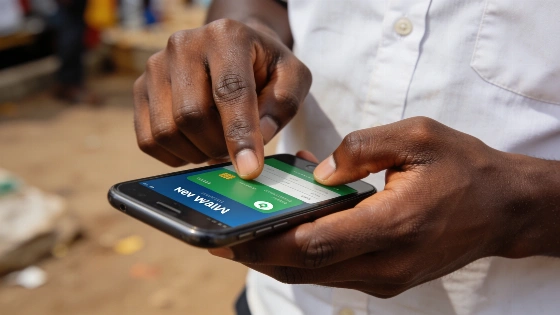
Emma is live on Google Play. But this is no full launch. Finserve Africa calls it a pilot. The company warns users the test could end, pause, or change at any time. Features might vanish without warning. The terms, posted on Emma’s website on 24 September 2026, say there are no guarantees the app will stick around.
Emma is designed as an open, interoperable system, allowing users to send funds not only within the app but also to Safaricom M-Pesa, Airtel Money, bank accounts, and even to unregistered recipients.
How Emma works—and what’s unclear
Emma is not a bank account. It’s a wallet. Funds are held in trust by a trustee, not by Finserve. The Central Bank of Kenya lists Finserve Africa Limited as a licensed payment service provider. Since 1 January 2022, it’s been allowed to issue, store, and send mobile money. Kenyans can sign up with a National ID, Military ID, or Passport. Registration works through the app, USSD (*765#), or the Equitel SIM toolkit. TechCabal reports Emma is available on Android, USSD, and Equitel SIM Toolkit. This covers users with different phones and network access. See the TechCabal analysis for more.
One feature stands out. Users can send money to people who don’t have Emma. The recipient gets a voucher by SMS. If it’s not redeemed in seven days, the money goes back to the sender. Screenshots show a transfer menu with Equicash, M-Pesa, Airtel Money, T-Kash, and Bank. But the fine print is missing. There’s no info on how these transfers work or what they cost. The app says “no hidden fees.” But the terms point to a separate fee schedule, only available at Cash Merchant outlets. Finserve can change these fees at any time. Withdrawal fees are mentioned, but no numbers are given. There’s no published tariff on the Emma or Finserve websites. Limits on daily transactions and balances are referenced, but again, no figures appear.
Emma was developed not directly under Equity Bank's banking license, but through Finserve Africa, allowing it to be positioned as a wallet for everyday payments, separate from a traditional bank account.
Competition and open questions
Emma steps into a market ruled by M-PESA. Equity Group already has the Equity Mobile app. Why launch another wallet? Finserve hasn’t explained. There are no published fees, interest rates, or loan terms. Emma’s edge could be access. Users don’t need a bank account. They can sign up with USSD or a SIM menu. This could reach people outside the banking system. But without clear pricing or features, Emma’s value is unproven.
Finserve keeps payments and data inside the Equity Group. But with no public tariffs or product details, it’s impossible to compare Emma to M-PESA or other wallets. Early users report technical problems, like failed ID checks. There’s no iOS version yet. The pilot is still early.
Emma is Finserve Africa’s cautious move to grow in Kenya’s mobile money world. But with no clear fees, interest, or loan terms, Emma is a black box. Until Finserve publishes a full tariff and product roadmap, Emma won’t threaten established wallets or win user trust. For now, it’s a lesson in how not to launch a financial app in a market that demands clarity. More details are in the original Google/Kenya report.