
October consumer inflation reached 7.3%, close to the Central Bank of Kenya's 7.5% upper target limit.
The Kenya National Bureau of Statistics (KNBS) reported that the Producer Price Index fell 2.36% quarter-on-quarter to 136.88 in September from 140.19 in June. That reversed the 4.47% increase recorded in Q2; prices declined in 14 of the 21 industrial subsectors tracked. Annual producer inflation edged up to 1.52% from 1.43% in June and -0.75% a year earlier, its highest level since March 2024.
Manufacturing prices moved unevenly
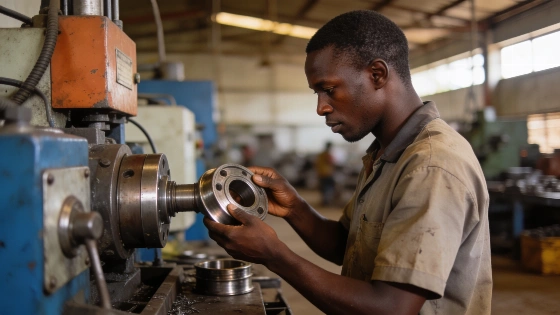
Manufacturing makes up 86.72% of the PPI basket. Producer prices in the sector fell 2.09% during the quarter but remained 2.46% above their level a year earlier. Electricity prices dropped 6.42% quarter-on-quarter and 10.38% year-on-year. Mining and quarrying prices fell 0.35% quarter-on-quarter.
Fabricated metal products recorded the steepest quarterly decline, at 24.90%. Pharmaceutical prices fell 11.24%. Motor vehicle prices declined 5.33%.
Wood and wood products rose 9.63%. Electrical equipment prices increased 4.73% during the quarter and 21.93% year-on-year, the largest annual rise among surveyed subsectors.
Food manufacturing, the PPI basket's largest individual component at 37.30%, fell 1.65% quarter-on-quarter and 0.94% year-on-year. Consumer food inflation moved in the opposite direction, rising from 9.5% in September to 10.2% in October.
Household and business cost pressures
Overall consumer inflation rose from 6.8% in September to 7.3% in October. Transport inflation increased to 17.1% from 15.6%. The producer and consumer indices use different baskets, so their contrasting movements do not establish how production costs pass through to household prices.
The Stanbic Bank Kenya Purchasing Managers' Index rose to 52.5 in October from 51.3 in September. Surveyed firms reported their fastest increase in input costs since November 2023, citing higher fuel and transport expenses. A recent fuel-price report tracked a nearly 15% fall in Murban crude between October 29 and November 5 ahead of EPRA's review of maximum pump prices.
The Central Bank of Kenya maintained its benchmark interest rate at 8.75% as October consumer inflation approached the upper limit of its 2.5% to 7.5% target range.








