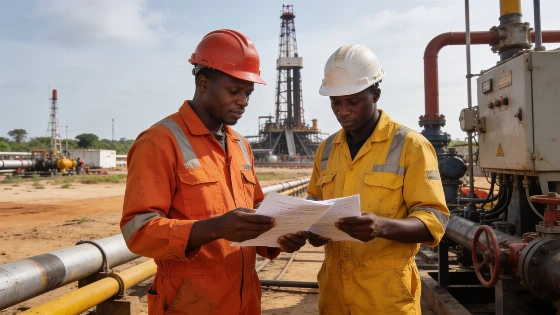
Forty oil and gas blocks are now up for grabs in Nigeria. The 2026 licensing round is underway. Land, shallow water, and deepwater areas are all on the table. The country wants new money and new players. Production has dropped. Investors have been wary. That changed this week.
According to The Whistler, the blocks on offer are linked to an estimated 20 trillion cubic feet of gas reserves and could yield up to 50 million standard cubic feet of gas per day, though these figures await further confirmation from official NUPRC documents.
Regulatory overhaul and transparency measures
NUPRC wants to rebuild trust. In the next few days, it will publish full details on the blocks, who can bid, and how the process works. The rules will spell out how bids are judged. Bidders must name their real owners. Results will be published in full. The goal is clear: end the secrecy and bring in serious, long-term investors.
The NUPRC has stated that the rules for the 2026 licensing round will include eligibility criteria, bid parameters, evaluation methodology, and award conditions, with full details to be published on the NUPRC website and a dedicated licensing round portal.
Ambitions for offshore investment and domestic gas supply
This licensing round is just one part of the plan. NUPRC is also pushing for final investment decisions on offshore projects worth $30 billion to $50 billion. These are big-ticket projects. The commission wants them moving forward. At the same time, it is pressing for more domestic gas deliveries. Right now, only about two-thirds of the domestic gas obligation is met. The goal is full delivery. Nigeria needs to balance exports with local energy needs.
For investors, the message is simple. Nigeria is open for business. But only those who meet the technical, financial, and transparency standards will get in. The opportunity is big. So are the demands.
Forty blocks are on offer. The new rules promise more openness. Nigeria is betting that credible investors will step up. The sector has suffered from low investment and bottlenecks. If the process works, this could be a turning point. The real test is simple. Will the new rules bring real oil and gas to market? For now, Nigeria has made its move. The world is watching.